
Why the drinking water in our homes is turning into an enemy: a complete guide to filtration in 2026
Water is life. This firm statement, which we have heard since childhood, takes on a completely new and often worrying dimension in 2026. If you have ever sat down at the table and thought about what exactly you are drinking, it probably occurred to you that tap water is “just water”. For many families in the Slovak Republic, however, it is not that simple. Although we are proud of our natural resources and water mains, the fact is that the quality of the water reaching our taps is changing dramatically. Not because of neglect on the part of the network operators, but because of a combination of factors that are now an unavoidable part of reality: ageing infrastructure, new legislation on chemical water treatment, the growing quantity of microplastics and, most importantly, changes in the composition of groundwater caused by climate fluctuations.
Ten years ago, “water filtration” was a matter of comfort or of special requirements for aquarium keepers. Today it is a matter of health, appliance protection and household finances. Energy prices in 2026, with both the state and the market pushing us towards more efficient solutions, make soft and filtered water not just a health necessity but a financially worthwhile investment too. Limescale in old pipes, iron from deep boreholes, nitrates after rainy springs or bacteria after floods – these are all factors the ordinary citizen cannot ignore.
This article is not a marketing text that simply tries to sell you products. It is a comprehensive, expert guide that explains how water behaves in your home, why it needs filtering, which methods are effective and which are just an expensive marketing gimmick. We will go through the technical aspects, the legislative framework and practical scenarios so that you can make your decision with your eyes open. Whether your water comes from the public mains or your own well, or you are looking for a whole-house solution, this guide will give you the tools you need.
Water quality in 2026: the situation in Slovakia and in Europe
The situation with drinking water sources in Slovakia in 2026 is very specific. On the one hand, we have fortunate regions where water from underground strata is still clean and rich in minerals. On the other hand, in regions with a heavy industrial past or intensive agriculture, water quality has deteriorated to the point where ordinary straining through the mesh in the tap is not enough. Statistics from the Ministry of Environment of the Slovak Republic for recent years show an increase in breaches of the limits for nitrates and pesticides in groundwater, which is directly linked to climate change and the intensification of agricultural production.
Changes in air temperature have a direct impact on water quality. Warmer springs and dry summers cause the groundwater level to fall, which increases the concentration of dissolved substances. Conversely, extreme rainfall washes soil away and carries various contaminants into water reservoirs. In urban areas, where water passes through pipes a hundred years old, the problem turns into a chemical battle. Pipe corrosion releases lead, copper and iron into the water, while deposits (known as biofilm) serve as a breeding ground for bacteria that ordinary disinfectants cannot eliminate completely.
Another major problem that has become a worldwide trend in recent years and has also affected Slovakia is microplastics. The water we drink contains millions of microscopic plastic particles that come from disintegrating bottles, textile fibres and industrial waste. These particles pass through ordinary filtration systems and end up in our bodies. Research from 2025 and 2026 suggests that the average person consumes roughly 5 grams of microplastics a year, which is the equivalent of one credit card. That is why water filtration is becoming a priority for every family that cares about its long-term health.
Legislation in the EU and in Slovakia has become considerably stricter over the past decade. The Drinking Water Directive requires higher standards from water suppliers, but in practice this means that if the water entering the house does not meet the parameters, the homeowner has to ensure that it does. The Water Act and the decrees on water hygiene set limits that must be observed, and if your water exceeds these limits (for example in iron, manganese or bacteria content), you have to provide your own treatment equipment. Ignoring these standards can lead to fines but, above all, to a risk of illness.
How water filtration works: basic principles and physical processes
When we talk about filtration, we often picture nothing more than a jug with an activated carbon cartridge. The reality is far more complex. Water filtration is a set of physical, chemical and biological processes that remove unwanted substances from water. Each type of filtration has its own mechanism of action and a different use. To choose the right system for your home, you need to understand how these processes work.
Physical filtration: mechanical capture
The most basic type of filtration is mechanical capture. It works on the principle of a sieve. Water flows through a material with a certain pore size (porosity). Particles larger than the pores are trapped on the surface of the material or inside it. This process is ideal for removing sand, silt, corrosion products, rust and other solids.
In ordinary homes, this type of filtration is used as the first stage of a system – for example in a kitchen tap filter or an under-sink filter. The effectiveness of a mechanical filter depends on the pore size. The smaller the pores, the better the particles are trapped, but the faster the filter clogs. That is why mechanical filtration is only ever the first step. If you wanted to remove bacteria mechanically, you would need pores of 0.1 micrometres, which would mean an extremely slow water flow and frequent replacement of the filter elements.
Mechanical filtration also includes sedimentation, where heavy particles fall to the bottom of a vessel under gravity. This principle is used in large industrial water treatment plants, but in homes it tends to be used in combination with other methods. Natural settling takes place in domestic water tanks, where sludge settles on the bottom over time, but the process is slow and ineffective at removing fine particles.
Chemical adsorption: activated carbon and ion exchange
The second main pillar of filtration is chemical interaction. The best-known example is adsorption using activated carbon. Activated carbon is a material with an enormous surface area. One gram of activated carbon has a surface area of several hundred square metres. This surface is full of microscopic pores that can bind molecules of organic substances, chlorine, pesticides and unpleasant odours.
The adsorption mechanism works by contaminant molecules “sticking” to the surface of the carbon thanks to van der Waals forces. This process is reversible, which means that once the carbon surface is saturated, it will not capture any more substances. That is why activated carbon filter cartridges need to be replaced regularly. Without replacement, the captured substances can be released back into the water, which is even worse than the original state.
Another form of chemical filtration is ion exchange. It is used mainly for water softening. Water softeners use special resin beads that contain sodium or potassium ions. When hard water flows through this resin, the calcium and magnesium ions (which cause water hardness) are exchanged for sodium ions. The result is soft water that does not form deposits in radiators or boilers. This process is reversible, and the resin can be regenerated using a concentrated salt solution.
Biological and UV sterilisation: the fight against bacteria and viruses
The last, but critically important, type of filtration is decontamination. Chemical and mechanical filtration cannot effectively remove bacteria, viruses and parasites. Specialised methods are needed for that. One of them is UV sterilisation. Ultraviolet light with a wavelength of around 254 nm disrupts the DNA and RNA of micro-organisms, killing them or preventing them from reproducing. Bacteria, viruses and cysts (for example Cryptosporidium) are effectively neutralised in this way without the use of chemicals.
UV sterilisation is essential for all households using their own wells, where there is a risk of bacterial contamination. It is important to realise that a UV lamp does not filter water mechanically. If the water is cloudy, bacteria can hide in the suspended particles and the UV light will not reach them. The UV steriliser must therefore be placed downstream of the mechanical and chemical filters, where the water is already clean and clear.
Another method is oxidation, which is used to remove iron and manganese. Oxidation converts the soluble forms of iron and manganese into insoluble forms, which are then filtered out mechanically. This process can be carried out chemically (by adding sodium hypochlorite or hydrogen peroxide) or biologically (using special bacteria on the surface of the filter media). Biological oxidation is more environmentally friendly and needs less maintenance, but it requires precise system set-up.
The diagram shows the sequence of stages that water must pass through in a complete system to achieve high hygiene standards.
Types of contaminant and their specific solutions
To choose the right filtration system, you first need to identify what is in your water. The solution for hard water will be completely different from the one for water with a high iron content or water contaminated with bacteria. In the following sections we look at specific types of contaminant and the methods for removing them.
Iron and manganese: problem number one in many homes
Iron and manganese are the two most common problems in Slovak homes, especially in regions with private wells or in areas whose geology contains these elements. The soluble forms of iron (Fe2+) and manganese (Mn2+) are colourless in water, but on contact with air they oxidise and form reddish-brown deposits. These deposits ruin sanitary ware, stain laundry and can block pipes.
Removing iron and manganese requires oxidation. The simplest method is aeration, that is, saturating the water with oxygen. Air oxidises the iron into solid forms, which are then filtered out mechanically. However, this process is slow and needs a large oxidation vessel. A more efficient method is to use filter media that speed up oxidation.
One of the most effective media is BIRM (Birmingham Iron Removal Media). It is a synthetic polymer that acts as a catalyst for the oxidation of iron and manganese. As water flows through the BIRM bed, the iron oxidises into solid particles and settles on the surface of the media. These particles are then flushed away by backwashing. The HydroTreat BIRM 0.8 m³/h iron and manganese filter is an example of a unit that uses this principle and is suitable for households with higher water consumption.
Another alternative is Pyrolox. It is a natural mineral media (silicon dioxide) that works in a similar way to BIRM but has a different structure, and is often recommended for water with a lower iron content but a higher manganese content. Pyrolox is more resistant to fouling and lasts longer. The HydroTreat Pyrolox 0.8 m³/h iron and manganese filter is ideal for households that need a reliable solution that will keep working in the long term.
It is important to realise that removing iron and manganese requires regular regeneration. The systems are designed to backwash automatically when the capacity of the media is exhausted. This is key to maintaining water quality and preventing the system from clogging.
Water hardness: an attack on your appliances
Water hardness is caused by the presence of calcium and magnesium ions. Hard water causes limescale (deposits) to form in boilers, washing machines, dishwashers and throughout the water distribution system. Limescale deposits reduce the efficiency of heating elements, increase energy consumption and shorten the service life of appliances. In 2026, with energy prices high, water softening is one of the most cost-effective investments a household can make.
Water softening is carried out by ion exchange. A water softener contains a vessel of resin that holds sodium ions. As hard water flows through the resin, the calcium and magnesium ions are exchanged for sodium ions. Sodium is soluble in water and does not form deposits. The result is soft water that is gentle on appliances and on the skin.
Modern water softeners are fully automatic and controlled by an electronic head. The automatically controlled softening head 1" - HYS-1 is an example of a device that can manage the softening process on its own, including regeneration of the resin bed with salt. A device like this is set up once and then works automatically, monitoring water consumption and regenerating the resin as needed.
Water softeners are essential for households with hot-water boilers and underfloor heating, and for those who want to save on cleaning products. Soft water needs less washing powder and rinse aid, because it does not tend to leave deposits on surfaces. In addition, soft water is more pleasant to the touch and improves the condition of skin and hair.

The HYS-1 automatic softening head protects appliances from deposits and saves energy.
Bacteria and viruses: the invisible danger
Bacteria and viruses are microscopic organisms that can cause serious health problems. Water from the public mains is usually disinfected, but with private wells or old pipes the risk of bacterial contamination can be high. Ordinary mechanical filters cannot remove bacteria, because they are too small. Specialised methods are needed for that.
UV sterilisation is the most effective method of eliminating bacteria and viruses. A UV lamp emits ultraviolet light that destroys the genetic material of micro-organisms. Bacteria, viruses and cysts are effectively neutralised in this way without the use of chemicals. A UV lamp is essential for all households using their own wells, where there is a risk of bacterial contamination.
The Viqua S463RL UV lamp is an example of a quality UV steriliser suitable for homes and small businesses. This lamp is designed to deliver maximum effectiveness with minimum energy consumption. It is important that the UV lamp is placed downstream of the mechanical and chemical filters, where the water is already clean and clear. If the water is cloudy, bacteria can hide in the suspended particles and the UV light will not reach them.

The Viqua S463RL UV lamp effectively neutralises bacteria and viruses without the use of chemicals.
Microplastics and organic substances: a new trend in contamination
Microplastics are one of the biggest problems of the modern world. They are plastic particles smaller than 5 mm that are found in water, soil and even the air. Microplastics get into water from various sources, including disintegrating bottles, textile fibres and industrial waste. These particles are dangerous to the human body because they accumulate in organs and can cause health problems.
Removing microplastics requires specialised filters. Mechanical filters with small pores (for example 0.1 micrometres) can capture most microplastics. Activated carbon is also effective at adsorbing organic substances and some microplastics. For households that want to maximise their protection against microplastics, a combination of a mechanical and a chemical filter is advisable.
The HYDRO hydrogen water generator is an example of an innovative solution that not only filters water but also enriches it with hydrogen. Hydrogen is a powerful antioxidant that helps neutralise free radicals in the body. The HYDRO hydrogen water generator uses an electrolytic process to separate hydrogen from the water and add it back in. The result is hydrogen-rich water that has a positive effect on health and immunity.
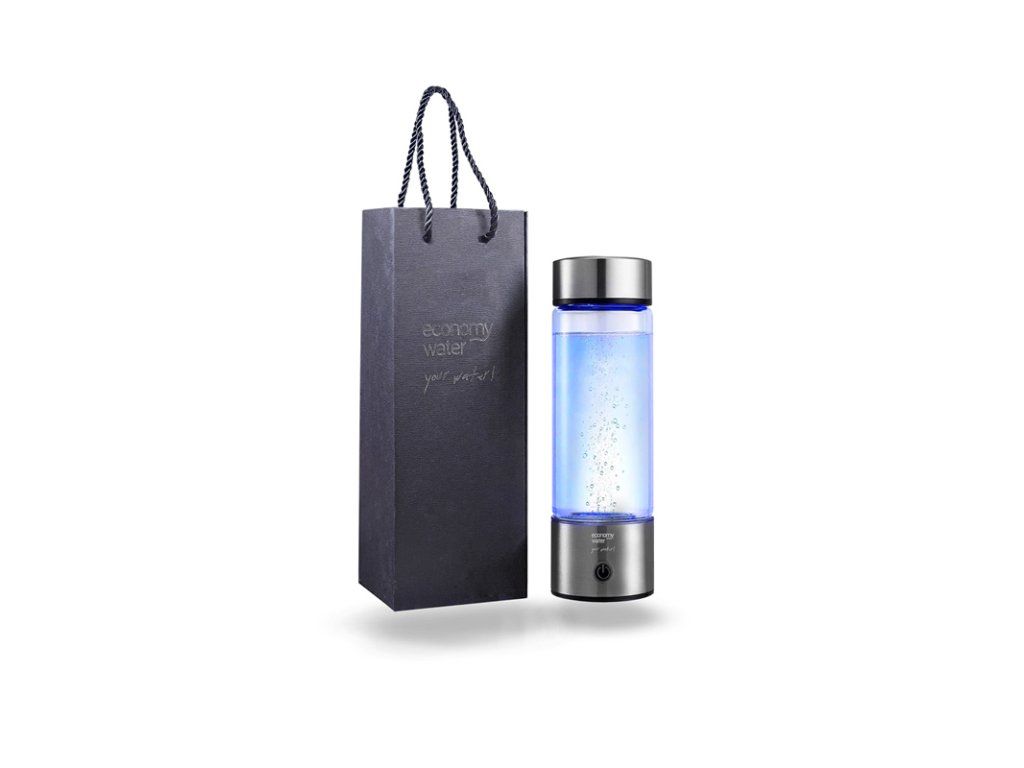
The HYDRO hydrogen water generator enriches water with hydrogen and provides extra antioxidants for your health.
Practical applications: which system for which situation?
Choosing the right filtration system depends on several factors, including the type of water source, the contaminants present, the volume of consumption and your budget. In the following sections we look at specific scenarios and recommendations for different types of household.
Households on the public mains
Most households in Slovakia are connected to the public mains. Mains water is usually safe to drink, but it can have problems with taste, smell and hardness. Old pipes can release iron, copper and other metal ions, causing an unpleasant taste and smell. On top of that, mains water is often very hard, which causes deposits to form in appliances.
For households on the public mains, we recommend a combined system comprising a mechanical filter, activated carbon and a softener. The mechanical filter removes mechanical impurities and corrosion products. The activated carbon removes chlorine, organic substances and unpleasant taste and smell. The softener removes water hardness and protects appliances from deposits.
For those who want to go further, a UV steriliser can also be added to provide extra assurance against bacterial contamination. This is especially recommended for households with small children, pregnant women or people with weakened immune systems.
Households with their own well
Households with their own well are exposed to a higher risk of contamination. Well water can contain high levels of iron, manganese, nitrates, pesticides and bacteria. For these households it is therefore essential to use a comprehensive filtration system that includes all the necessary stages.
For wells with a high iron and manganese content, we recommend the HydroTreat BIRM 0.8 m³/h iron and manganese filter or the HydroTreat Pyrolox 0.8 m³/h iron and manganese filter. These filters are designed to remove iron and manganese effectively and prevent deposits from forming.
For households with bacterial contamination, a UV steriliser is essential. The Viqua S463RL UV lamp is the ideal solution for these households. It is important that the UV lamp is placed downstream of the mechanical and chemical filters, where the water is already clean and clear.

The HydroTreat BIRM iron and manganese filter is ideal for wells with a high content of these metals.
Athletes and health-conscious people
For people who look after their health and play sport, it is important to drink water that is not only clean but also enriched with beneficial substances. The HYDRO hydrogen water generator is the ideal solution for them. Hydrogen is a powerful antioxidant that helps neutralise free radicals in the body and supports muscle recovery.
In addition to the hydrogen water generator, you can also use a shower filter with KDF, which removes chlorine and other impurities from the water used for washing. The shower filter with KDF 1/2" is ideal for those who want clean, healthy water for bathing and showering too.
The shower filter with KDF 1/2" provides clean, healthy water for bathing and showering.
Case study: the Novák family from Košice
The Novák family lives in Košice and has its own well. Their water had a high iron content, which caused red stains on laundry and in the bathroom. They also had problems with water hardness, which caused deposits to form in the boiler and the washing machine. After consulting specialists, they installed a comprehensive filtration system.
The system consisted of:
- A HydroTreat BIRM 0.8 m³/h iron and manganese filter to remove iron and manganese.
- An automatically controlled softening head 1" - HYS-1 to soften the water and protect appliances.
- A Viqua S463RL UV lamp to sterilise the water and eliminate bacteria.
The results were immediate. The water was clean, with no stains or deposits. The appliances worked more efficiently and the family saved on energy and cleaning products. The Novák family was very happy with the results and recommended the system to their friends.
Maintenance and running costs: what you should know before you buy
Buying a filtration system is only the beginning. For the system to work properly and effectively, regular maintenance is essential. In this section we look at running costs, replacing filter media and other aspects of maintenance.
Replacing filter media and regeneration
Ordinary mechanical filters and activated carbon filters need to be replaced regularly. How often depends on the quality of the incoming water and the volume of consumption. For ordinary households, we recommend replacing mechanical filters every 3-6 months and activated carbon filters every 6-12 months.
Water softeners need regenerating with salt. The frequency of regeneration depends on the water hardness and the volume of consumption. Modern softeners have automatic controls that manage regeneration according to water consumption. It is important to keep an eye on the salt level in the brine tank and top it up as needed.
UV lamps need replacing every 12 months, even if they are still lit. The service life of a UV lamp is limited, and after this period its effectiveness declines. It is important to replace the lamp in line with the manufacturer's recommendation.
Energy use and running costs
Most filtration systems use very little energy. Water softeners and UV lamps consume only a few watts, which is negligible compared with other household appliances. Running costs are therefore low, and the systems pay for themselves in the long term.
Salt for regenerating softeners is inexpensive and available in any shop. The price of filter media is also reasonable and depends on the type of system and how often it is replaced.
Legislation and warranties
When buying a filtration system, it is important to check that it is certified by the manufacturer and complies with the applicable standards. Filtration systems should be certified to EN and MS standards. The warranty on filtration systems is usually 2-3 years, but depends on the manufacturer.
It is important to bear in mind that a filtration system is not just an appliance, but also an investment in the health and protection of your household. Correct maintenance and media replacement are key to the long-term effectiveness of the system.
Frequently asked questions (FAQ)
How often do I need to change the filters in a kitchen system?
How often depends on the quality of the incoming water and the volume of consumption. For ordinary households, we recommend replacing mechanical filters every 3-6 months and activated carbon filters every 6-12 months. If the water is very hard or contains a lot of impurities, the filters may need to be changed more often.
Is a water softener necessary for a household on the public mains?
Yes, a water softener is recommended even for households on the public mains if the water is hard. Hard water causes deposits to form in appliances and increases energy consumption. A water softener protects appliances and saves energy.
How does UV sterilisation work, and is it safe?
UV sterilisation works using ultraviolet light, which destroys the genetic material of micro-organisms. It is safe and does not require the use of chemicals. A UV lamp is essential for households with their own well, where there is a risk of bacterial contamination.
Can I drink water from a hydrogen water generator?
Yes, water from a hydrogen water generator is not only clean but also enriched with hydrogen. Hydrogen is a powerful antioxidant that helps neutralise free radicals in the body and supports muscle recovery. The water is safe to drink and suitable for every member of the family.
How often does the UV lamp need to be replaced?
The UV lamp needs to be replaced every 12 months, even if it is still lit. The service life of a UV lamp is limited, and after this period its effectiveness declines. It is important to replace the lamp in line with the manufacturer's recommendation.
Is water filtration important for health?
Yes, water filtration is important for health. Tap water can contain various contaminants, such as iron, manganese, bacteria and microplastics. Water filtration ensures that you are drinking clean, healthy water that is safe for your body.
Conclusion: an investment in health and the future
In 2026, home water filtration is not a luxury but a necessity. With growing water contamination, climate change and ageing infrastructure, it is important to make sure that the water you drink and use is clean and safe. A comprehensive filtration system that includes mechanical, chemical and biological filtration is the best investment in the health and protection of your household.
Whether your water comes from the public mains or your own well, there is a solution for your situation. From simple kitchen filters to comprehensive whole-house systems, the range is wide and accessible. The important thing is to choose the right system to suit your needs and budget.
Remember that water filtration is a long-term investment. Regular maintenance and media replacement are key to the long-term effectiveness of the system. If you have questions or need advice, do not hesitate to contact specialists who will help you choose the right system for your home.
Water is life. Make sure you are drinking the best life you can have. Choose the right filtration system and be confident that your water is clean, healthy and safe for you and your family.
Do you have a question about this topic?
Can't decide, or dealing with a specific situation in your home? Write to us – we will be happy to advise.