
Is It Worth Replacing an Old Gas Boiler with a Condensing One
When to Consider Replacing an Old Gas Boiler
Imagine you've been dealing with an old gas boiler that frequently breaks down, requiring expensive repairs. You're wondering if it's time to invest in a new condensing boiler. The decision isn't straightforward and depends on several factors. These include the boiler's age and condition, the frequency and cost of repairs, your plans for home renovations, and your current financial situation.
There are specific signals you can look out for to help guide your decision. These include the boiler's efficiency, the cost of repairs, and how much you spend on energy. Understanding the principle behind calculating the approximate payback period of the investment can also be helpful. Additionally, it's worth considering the possibility of state support that might be available for such an upgrade.
Ultimately, the goal is not to suggest that replacement is always the best option. In some cases, it might be more prudent to wait. We will explain when this might be the case and outline the practical steps to take if you decide to proceed with the replacement.
Key Factors for Deciding on a Condensing Boiler Replacement
Replacing your boiler with a modern condensing model can lead to significant savings and improved performance. Here are the main criteria to help you decide if it’s the right time for an upgrade.
What to Look Out For
- If your boiler is 18 years old or older, it’s past the average service life of 15–20 years for gas boilers. Older units are more prone to breakdowns and may struggle to find replacement parts.
- If you've had repeated repairs—like a new circulation pump, heat exchanger seal, or electronic board—it might be cheaper to replace the boiler than to keep repairing it.
- If your gas consumption is notably higher than that of a similarly sized and insulated house, an inefficient boiler could be the cause. Classic atmospheric boilers operate at 80–88% efficiency, while condensing models reach over 90%.
- If you’re planning insulation, window replacement, or underfloor heating, it’s an ideal time to replace your boiler. A new unit can be sized for the new conditions, maximizing efficiency.
- If your current boiler is an atmospheric (non-condensing) model, upgrading is strongly recommended. Even if it still works, it’s operating with outdated technology that uses less efficient combustion and heat transfer methods.
When to Hold Off
- If your boiler is under 15 years old and functioning without frequent issues, you may not need to replace it yet.
- If your heating system is currently being upgraded, it might be best to wait until the project is complete before making a boiler change.
- If you’re in the middle of a heating season and your boiler is still working well, consider delaying the replacement to avoid disruption.
Practical Advice
When you notice more than one of these signs, it’s time to seriously consider a new condensing boiler. The savings in energy costs and improved reliability make it a smart investment, especially if you're planning home improvements that will change your heating needs.
Delaying Boiler Replacement Can Be the Best Choice
Sometimes it makes more sense to hold off on replacing your boiler. If your system is still working well and there are no urgent issues, it might be wise to keep it running for now and use your budget more strategically.
Age and Condition Are Key Factors
If your boiler is less than 10 years old and has been maintained regularly without frequent breakdowns, it likely has plenty of useful life left. There's no pressing need to replace a unit that continues to operate efficiently. In addition, there may not have been a significant enough technological leap in boiler design to justify replacing a functioning model.
Future Heating Plans Should Guide Your Decisions
If you're planning a major shift in your heating system—such as switching to a heat pump—in the next one to two years, investing in a new gas boiler now would be premature. Instead, it’s more sensible to keep your current boiler running safely while preparing for your long-term solution. This approach ensures your investment goes directly into the final, more sustainable option without unnecessary intermediate spending.
Financial Considerations Often Take Priority
A new condensing boiler, including installation, is a substantial financial commitment. If your current boiler is operating safely—without leaks or malfunctioning safety components—and there's no emergency, delaying the replacement makes sense. Financial stability and immediate household needs should always take priority over long-term savings that won’t materialize for several years.
Estimating the Time to Recoup Your Boiler Investment
- Payback period is based on investment cost, annual gas savings, and other factors.
- Energy savings depend on boiler efficiency, household usage, and home insulation.
- Real savings can be found in a detailed breakdown of boiler replacement benefits.
What Makes Up the Investment Cost?
To calculate the payback period, you first need to determine the total investment. This includes the cost of the new boiler, professional installation, and any necessary modifications such as condensate drain adjustments or chimney work. If applicable, subtract any government subsidies you receive for the upgrade. This gives you the actual out-of-pocket cost for the boiler replacement.
How Much Can You Save on Gas Annually?
The next step is estimating the annual savings on your gas bill. This is based on the efficiency difference between your old and new boiler, as well as your current annual gas consumption. A more efficient condensing boiler will reduce the amount of fuel needed to heat your home, leading to lower utility costs. This estimate helps you understand the yearly financial benefit of the new system.
How Do You Calculate the Payback Period?
Once you have the total investment and the estimated annual savings, you can calculate the approximate payback period. Simply divide the investment cost by the annual savings. The result is the number of years it will take for the savings to offset the initial cost. Note that this calculation does not account for potential future repair costs of the old boiler, which would further reduce the actual payback time.
Why Do Savings Vary Between Homes?
The actual savings from a new boiler can differ significantly depending on various factors. These include the age and type of your existing boiler, the insulation quality of your home, the heating curve you use, and current gas prices. For a more detailed look at potential savings when replacing an old boiler with a condensing model, you can refer to the article How Much a Condensing Boiler Saves Compared to an Old Boiler, which provides typical savings ranges by boiler type and usage scenario.
Challenges in Securing Subsidies for Heating System Upgrades
Uncertainty About Eligibility for Financial Support
One of the biggest obstacles when replacing your heating system is the uncertainty of whether you qualify for state or EU subsidies. Although support may be available for certain types of heating equipment, the conditions and eligibility criteria can vary significantly based on the technology used and the type of property.
Factors Affecting Subsidy Availability
Renewable heating systems, such as heat pumps or biomass boilers, often qualify for financial support through various programmes. However, traditional gas condensing boilers typically do not qualify, as they are not considered a renewable energy source. Support can also depend on other factors, such as whether you live in a single-family home or an apartment building, and whether your system is paired with supplementary technologies like solar collectors.
How to Confirm Your Eligibility
To avoid disappointment and financial misplanning, it is crucial to verify the current conditions on official sources before making a purchase. Visit the websites of the relevant ministry or the Slovak Innovation and Energy Agency (SIEA) to check the latest subsidy schemes, their timelines, and the specific requirements for each call. Only after confirming that a programme applies to your situation should you proceed with subsidy-based financing plans.
Frequently Asked Questions About Replacing Boilers
What Price Range Should I Expect for a Condensing Boiler?
To help you understand the investment required, we provide two example models. These are not product recommendations, but simply illustrative of the typical range. For precise details about output and type suitable for your home, refer to the article on selecting the correct output.

|
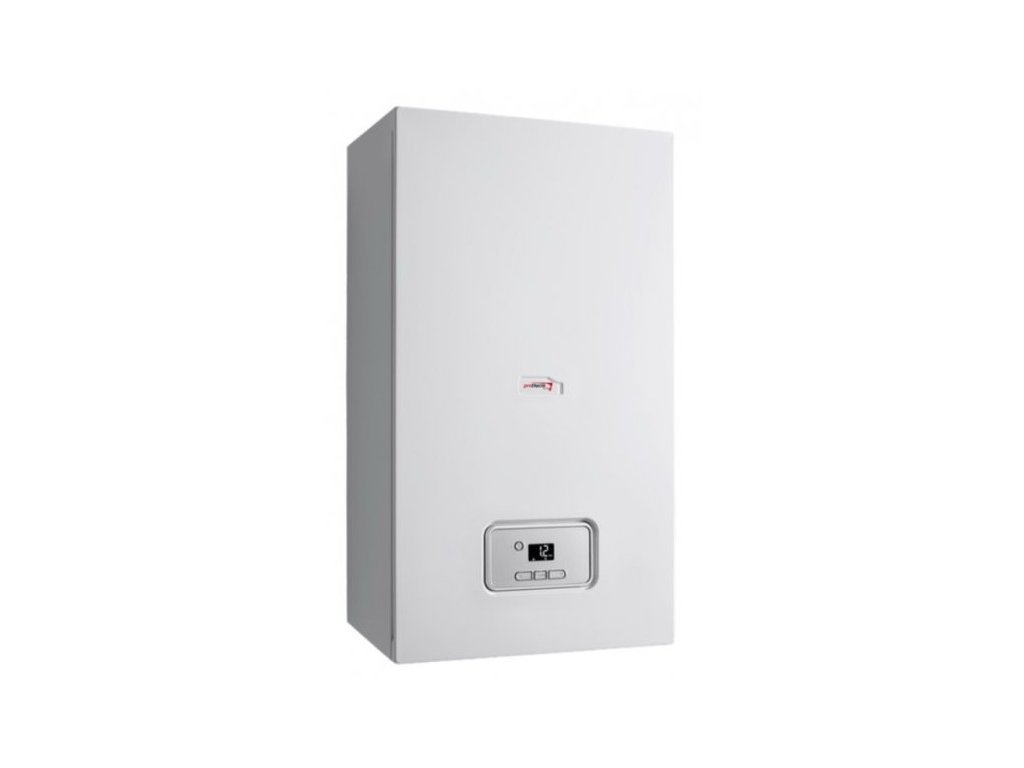
Protherm Gepard Condens 12 MKO – a more affordable condensing boiler with lower output, typically suitable for a replacement in a smaller flat or a well-insulated smaller house where lower output is sufficient. Price from €1,268. |
|
Protherm Gepard Condens 18/25 MKV – a mid-range model with a higher output range, a common choice when replacing an old boiler in a standard family house. Price from €1,322. |
What Factors Should I Consider Before Deciding to Replace?
Below is a summary of the main criteria to consider when evaluating whether to replace your boiler. No single factor should be the sole basis for your decision—always assess the overall situation.
| Criterion | Leans yes, worth it | Leans wait |
|---|---|---|
| Boiler age | 15 years or more, especially a classic (atmospheric) type | Less than 10 years, modern type |
| Failure rate | Repeated repairs, rising service costs | Trouble-free operation |
| Gas consumption | Significantly higher than comparable houses | Within the normal range for the house |
| Plans for the house | You're planning insulation / underfloor heating | You're planning to switch to a different type of source (e.g. a heat pump) |
| Financial situation | The investment is currently manageable | Currently an unfavourable period and the boiler is safe |
How Do I Begin the Replacement Process?
If replacement seems appropriate for your situation, follow these three steps for a smooth process:
1. What Output Is Needed for My Home?
Before selecting a model, determine the correct output for your house. A boiler that is too small will fail to meet heating demands, while an oversized unit will be inefficient and costly. Learn how to estimate the required output based on your home's size, insulation, and heating system in the article What Output Do I Need for a Condensing Boiler.
2. How Do I Choose the Right Type and Brand?
Condensing boilers come in different types, such as combi or heating-only units with a separate tank. Consider placement and features carefully. You can find detailed guidance on choosing the right model and an overview of brand differences in the articles How to Choose a Condensing Boiler and Comparison of Condensing Boiler Brands.
3. Who Should Install the New Boiler?
Professional installation is essential for a condensing boiler. The system requires expert planning, including adjustments to the condensate drain and flue, and must be commissioned correctly to ensure efficiency and savings. Choose a verified installer with experience and avoid common errors by reading the article Common Mistakes When Choosing and Installing a Condensing Boiler.
The first three criteria from the decision table above.
The remaining two criteria from the decision table above.
The three steps of the recommended process from the article.
Replacing an Old Boiler: When and Why It’s the Right Move
Consider this example: You have a 15-year-old atmospheric boiler that still works but has started to show signs of inefficiency. Waiting for it to fail completely might lead to costly and inconvenient repairs during the coldest part of the year. In such cases, replacing it with a modern condensing boiler is a proactive and financially sound decision. This illustrates a broader principle: planning boiler replacement before it breaks down is often more efficient and cost-effective.
Understanding the Payback Period for a New Boiler
Investing in a new boiler can yield savings, but how long before it pays off? The answer depends on two main factors: the gas savings achieved and the cost of the new boiler. To calculate the exact payback period, you can use the method described earlier in this article. For average estimates based on the type of your existing boiler, we recommend checking the article on savings.
Flue Gas Exhaust and Condensing Boilers: What You Need to Know
Condensing boilers differ significantly from traditional atmospheric models in how they handle flue gases. They typically require forced draught and may need plastic or stainless-steel piping. During the installation assessment, the contractor will evaluate whether your current chimney or exhaust system is compatible or if modifications are necessary. This ensures that the boiler operates efficiently and safely.
State Subsidies for Condensing Boilers
A common question is whether government support is available for switching to a condensing boiler. In most cases, the answer is no, as condensing boilers are not considered renewable energy sources. State subsidies typically apply to more innovative solutions like heat pumps. Always check for the latest regulations before making a purchase, as policies can change over time.
Condensing Boilers: Is There a Better Option Coming?
Condensing technology is now a well-established standard, not a temporary solution. This means waiting for a more advanced version is unlikely to offer significant benefits. You might, however, want to pause if you're considering a completely different system, such as a heat pump. In most cases, waiting for a new condensing boiler to appear on the market only delays your savings and efficiency improvements.
Gas Savings After Replacing Your Boiler
The actual gas savings you'll see depend on several factors, including the age and efficiency of your old boiler, the condition of your home, and the type of radiators you use. Because of these variables, it's difficult to assign a single percentage for savings. However, approximate ranges by boiler type are available in the article on savings, which can help you estimate what to expect in your specific situation.
Connecting a New Boiler to Old Radiators
It's usually possible to connect a condensing boiler to your existing radiators. However, these boilers perform best at lower water temperatures. This means they work optimally with underfloor heating or oversized radiators. While you can continue using your current radiators, you may not achieve the full efficiency potential of a condensing boiler unless your system is adapted accordingly.
Key Considerations for Selecting the Right Boiler
Choosing a condensing boiler depends on several factors. Consider these points to ensure you make the best decision:
- Assess potential savings by comparing a condensing boiler to an older model using energy consumption and running costs.
- Determine the required output based on your home's size and heating needs to avoid under or over-sizing.
- Think long-term: regular service and maintenance extend the boiler's lifespan and performance.
- Consider your budget and long-term goals—condensing boilers are a smart investment for energy efficiency and lower emissions.
Still Uncertain About Your Boiler Choice?
Every home is different, and unique situations may affect the best choice for you. If you need help, reach out—we're here to support you in finding the right solution.
See also: How Much a Condensing Boiler Saves Compared to an Old Boiler · How to Choose a Condensing Boiler · What Output Do I Need for a Condensing Boiler · How Long Does a Condensing Boiler Last – Service and Maintenance