
Kitchen mixer taps: a complete guide to selection, installation and maintenance for 2026
The kitchen is the heart of every home. It is where the family gathers, where the most important meals are prepared and where life's big questions often get talked through. In 2026, with energy prices having settled at a new level and with a sharper focus on energy efficiency and long-term sustainability, the way we look at kitchen fittings has changed too. It is no longer enough for a tap simply to work. Today we expect precision, a design that will last for decades, water-saving technology and materials that stand up to the demands of daily use.
Many people searching for "kitchen mixer taps" come across dozens of pages of products, but rarely an in-depth analysis that would help them make the right decision. Choosing a tap is not just a matter of price or looks. It is an investment in the comfort, hygiene and practicality of your home. The wrong choice can mean frequent leaks, difficulty washing large pots and pans, a finish marked by water spots or even damage to the sink and the tiles. The right tap, on the other hand, becomes a faithful helper that saves you time, water and frustration.
In this article we take a detailed look at every aspect of choosing a kitchen tap. We cover mounting types, materials, mechanisms, filtration systems, the regulatory requirements applicable in 2026 and specific examples from practice. We also look at how to tell a quality product from a cheap substitute and how to make sure your new tap lasts as long as possible. We have put together a comprehensive guide that will let you find your way around the world of sanitaryware with the confidence of an expert.
Why is the choice of kitchen tap so critical?
At first glance a tap may seem to be just a piece of metal with a valve. In reality it is a complex mechanism that has to cope with high water pressure (which can vary on mains supplies) and a range of temperatures (from cold winter water to hot water for washing up), while still offering an ergonomic lever to operate. A kitchen tap works harder than any other tap in the home. It is opened and closed hundreds of times a day and is exposed to the chemicals in cleaning products, to mechanical stress as the spout is moved, and to constant moisture.
A poor choice shows itself very quickly. Cheap taps with thin walls of pressed metal can deform over time, their chrome plating peels and corrosion spots appear. The mechanism sticks, the spout stops swivelling or the tap starts to drip. That is not merely a cosmetic defect but also a risk of water leaking and damaging the kitchen units, the cabinet and the floor. In 2026, with repair and water costs higher, it is important to choose quality that pays for itself within a few years.
Ergonomics is another key factor. Modern kitchens often have larger sink bowls, integrated dish racks and space for drainers. The tap must be designed so that its spout comfortably reaches every corner of the sink without encroaching on the worktop. If you have a kitchen island, you also need to consider the height and reach of the tap so that you have enough room beneath it for preparing food.
1. Mounting types and designs: from deck-mounted to built-in
The first step in choosing a tap is to decide on the type of mounting. This depends on the configuration of your sink, the number of holes in the worktop and the overall design of the kitchen. There are several main categories, each with its own advantages and disadvantages.
Deck-mounted taps (single hole)
This is the most common type of tap in today's kitchens. A deck-mounted tap is fitted directly to the sink or the worktop through a single hole. Its main strength lies in its compactness and modern look. These taps are ideal for small and large kitchens alike, as they take up little space and give maximum flexibility when washing up.
Deck-mounted taps fall into two main sub-types according to the design of the spout:
- Taps with a swivel spout: This is the standard type. The spout can rotate through 360 degrees, so you can rinse the whole sink even though the tap itself is fixed. Ideal for standard sink bowls.
- Taps with a pull-out spray: On these models the spray head is attached to a flexible hose that you can pull out to a distance of 50 to 80 cm. That is a huge advantage when washing large pots and pans or rinsing the edges of the sink. In 2026 this type has become almost the standard for modern kitchens.
When choosing a deck-mounted tap, pay attention to the height of the body. If you have a shallow sink, a tap with a tall body can be impractical because it will wobble in use. Conversely, if you have a deep sink, you need a tap with a sufficiently tall body so that the water does not hit the edges and splash over.

Figure 1: The LOOP deck-mounted tap shows a modern design with a pull-out spray, which is ideal for practical use in the kitchen.
Built-in taps (deck mounted / wall mounted)
This type is less common in standard domestic kitchens but is often used in luxury kitchens or in commercial premises. Built-in taps are fitted either directly into the worktop (deck mounted) or into the wall above the sink (wall mounted).
Worktop mounting: This requires a precisely drilled hole in the worktop and often a special base as well. The advantage is that the tap is firmly anchored and leaves no gaps between the sink and the tap, which makes cleaning easier. The disadvantage is that if a fault occurs, the repair is more involved because part of the worktop has to be removed.
Wall mounting: This solution suits kitchens with an island, where you want the tap to be separate from the work surface. It gives you maximum space on the worktop and an elegant look. However, it requires the pipework to be prepared in advance during building or renovation.
Bidet and shower mixers in the kitchen?
It may seem odd to mention bidet or shower mixers in the context of a kitchen, but there are situations in which these products have a use. In some older flats, for example, universal taps are used that can serve other purposes as well. And in summer houses and holiday properties, more robust models intended for outdoor use are fitted, which can also serve in the kitchen.
A special category is formed by so-called "kitchen showers", which are in fact high-output shower mixers with a long hose. They are intended for washing cars, garden furniture or large industrial items. For an ordinary household, however, a standard kitchen tap with a pull-out spray is sufficient.
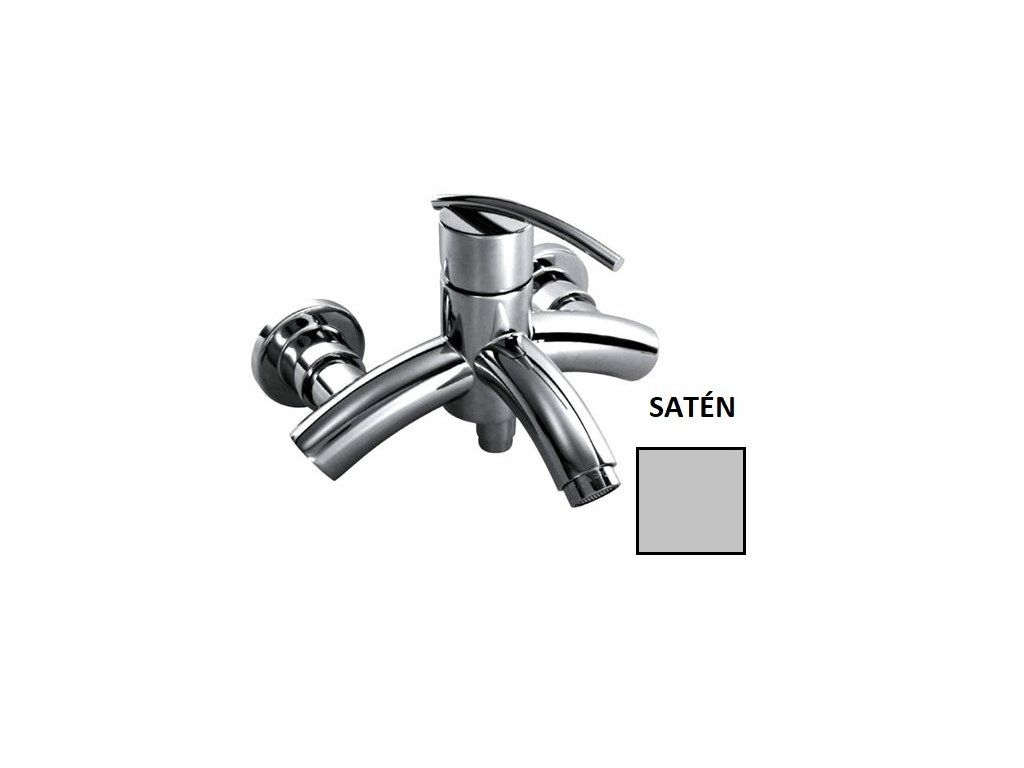
Figure 2: The ARKO tap in a satin finish demonstrates how elegance and practicality go hand in hand. The satin finish resists fingerprints.
Comparison table of mounting types
| Mounting type | Advantages | Disadvantages | Recommended for |
|---|---|---|---|
| Deck-mounted (single hole) | Simple installation, compact, wide choice of designs, flexible spout. | Can take up space on the worktop, requires a hole in the worktop or sink. | Most standard kitchens, renovations. |
| Built into the worktop | Solid construction, easy cleaning, elegant look. | More complex installation, harder to repair, requires precise drilling. | Luxury kitchens, new builds. |
| Built into the wall | Maximum space on the worktop, unique design. | Requires pipework to be prepared in advance, higher installation cost. | Kitchen islands, special architectural solutions. |
2. Materials and finishes: what is worth buying in 2026?
The material a tap is made from and its finish are key factors that determine not only its appearance but also the service life and durability of the product. Several new technologies have appeared on the market in 2026, but the basic materials remain the same. Let us look at the most important ones.
Stainless steel (304 steel)
The best material for taps is stainless steel, in particular grade AISI 304 (sometimes referred to as 18/10). This steel contains 18 % chromium and 10 % nickel, which gives it excellent resistance to corrosion, oxidation and mechanical damage. Taps made from this steel are extremely strong, long-lasting and hypoallergenic.
Advantages of steel taps:
- Corrosion resistance: 304 steel is not troubled by water or by aggressive cleaning products.
- Strength: It resists knocks and deformation.
- Hygiene: The surface is smooth and has no pores in which bacteria could settle.
- Aesthetics: It is available in a range of finishes – from polished chrome to matt satin.
Cheaper taps, by contrast, are often made of brass with a thin layer of chrome or of plastic with a metallic coating. These materials oxidise over time, the chrome peels and the plastic can deform under heat. So always look for the description "stainless steel" or "AISI 304".
Brass
Brass is the traditional material for taps. It is an alloy of copper and zinc that is also very durable and has good thermal properties. Brass taps are often heavier, and that weight is an indication of their quality. Their main advantage is that brass is easy to machine and seals well.
On the other hand, brass can contain lead, which was a health concern in the past. Today, however, manufacturers use lead-free brass that meets the strictest drinking water standards. If you are buying a brass tap, check that it complies with drinking water standards (e.g. NEN 1755 or the equivalent Slovak/German standards).
Finishes: chrome vs. satin vs. black vs. gold
The finish affects not only the look but also how the tap is cared for and how much fingerprints and water spots show on it.
Polished chrome: The most popular choice. It is very durable, glossy and reflects light. It does have one drawback, though – every fingerprint and every drop of water shows on it. If you do not like frequent wiping, chrome may not be ideal for you.
Satin chrome / brushed steel: This is a very popular choice today. A satin finish is matt and finely textured, and it hides fingerprints and water spots far better than polished chrome. It is also more resistant to micro-scratches. Satin taps, such as the ARKO deck-mounted kitchen sink mixer tap, satin, are ideal for family homes where a lot of cooking and washing up goes on.

Figure 3: The satin finish of the ARKO tap is not only elegant but also practical, as it hides fingerprints and water spots.
Black (matt or gloss): The black tap has been a trend in recent years. It gives the kitchen a dramatic, luxurious look. Black does, however, need more frequent cleaning, because water spots and traces of cleaning products show on it. You must use special cleaners for black chrome so as not to damage the finish.
Copper and gold finishes: These finishes are a very fashionable touch for luxury kitchens. They are, however, more sensitive to chemicals and require specific care. They are not suitable for anyone looking for minimal maintenance.
Plastic vs. metal components
It is important to realise that even if the body of the tap is metal, the internal components (such as O-rings, seals or the height adjustment mechanism) may be plastic. Quality taps use silicone seals and ceramic disc valves, which are durable and long-lasting. Cheap taps use rubber seals, which harden over time and start to leak, or plastic valves, which wear out quickly.
So when choosing, always look for information on the type of valve. A ceramic disc is an absolute must for a modern tap. It ensures smooth operation and a long service life, and prevents dripping.
3. Functions and technology: what should a modern tap have?
In 2026 it is no longer enough for a tap just to deliver water. Modern taps come with advanced functions that increase comfort, save water and improve hygiene. Let us look at the most important ones.
Pull-out spray
This is probably the most important function of a modern kitchen tap. A pull-out spray lets you rinse entire sink bowls, large pots and even the edges of the sink that would otherwise be out of reach. The hose to which the spray head is attached must be long enough (at least 60 cm) and must be firmly secured so that it does not kink when pulled.
The retraction function matters too. When you let go of the spray head, it should return to its place by itself. Cheap models have weak springs, so the spray head is left hanging and gets in the way. Quality taps have a system that retracts the spray head automatically.
The LOOP deck-mounted kitchen sink mixer tap is a perfect example of a tap with a pull-out spray that combines modern design with maximum practicality. Its spray head is easy to operate with one hand, and the hose is long enough to wash even large pots.
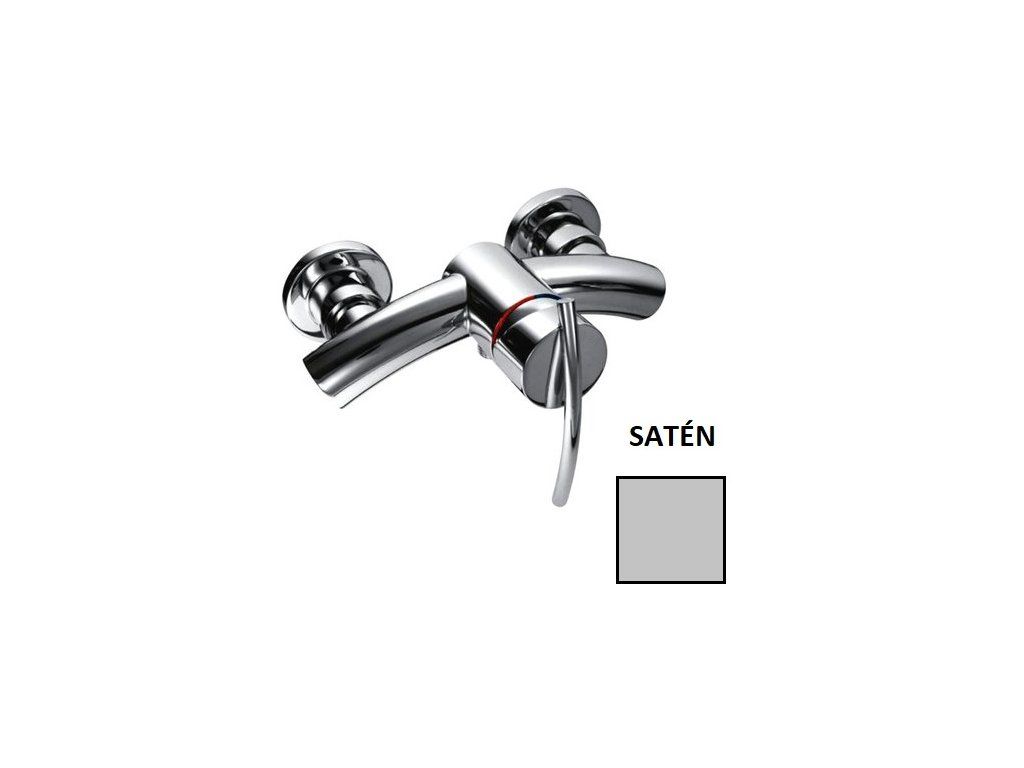
Figure 4: A close-up of the pull-out spray shows how important the quality of the hose and the retraction mechanism is for comfortable use.
Temperature and flow control
Modern taps should offer smooth control of temperature and flow. This means that when the tap is opened, the water should reach the set temperature straight away and the flow should be steady, without surges. This is achieved with ceramic discs and well-designed valves.
Some taps also have an "eco-mode" function that limits the water flow at a lower temperature. This is useful for saving water and energy, especially if you have an electric water heater.
Filters and aerators
An aerator is a small component at the end of the spout that mixes air with the water. This improves the feel of the water stream, reduces splashing and saves water. Quality taps have replaceable aerators that can be cleaned of limescale deposits.
Some taps also have integrated filters for mechanical impurities. This is useful if there is a lot of sand or other debris in your supply. The filter is easy to remove and clean.
Telescopic and swivel heads
Besides the pull-out spray, there are also taps with a telescopic head that can be moved up and down. This is useful if you have a sink with several bowls or if you want to wash up at different heights.
Integrated drinking water systems
In 2026 more and more people are interested in drinking water straight from the tap. There are taps with an integrated drinking water filter that let you filter the water directly at the tap. These systems are often connected to an external filtration module under the sink.
These taps usually have two controls – one for ordinary water and one for filtered water. It is a very practical solution for anyone who wants to drink clean water without having to buy bottles.
4. Ergonomics and design: how to choose a tap that suits your kitchen
The design of a tap matters not only from an aesthetic point of view but also in terms of practicality. The tap should be in keeping with the style of your kitchen and should be ergonomically designed.
Design styles
Modern minimalist: Characterised by simple lines, smooth surfaces and a minimum of detail. These taps often come in chrome or matt black. They are ideal for minimalist or industrial-style kitchens.
Classic: Characterised by decorative details, curves and traditional shapes. These taps often come in a brass or gold finish. They are ideal for vintage or rustic-style kitchens.
Industrial: Characterised by bold lines, visible joints and materials such as steel or concrete. These taps often come in matt black or brown.
Ergonomics and operation
Whatever the design, a tap should be ergonomic. The controls should be within easy reach and intuitive. Ideally it should have a lever that can be operated with one hand. This matters when you have food or other things in your hands.
The tap should also be sufficiently stable. If it is too tall and narrow, it may wobble in use. That is unpleasant and can lead to damage to the tap.
Height and reach
The height of the tap is important for how well it works. If you have a shallow sink, a tap with a tall body can be impractical. If you have a deep sink, you need a tap with a sufficiently tall body so that the water does not hit the edges.
The reach of the spout matters for washing up. If you have a large sink, you need a tap with a long reach. If you have a small sink, a shorter reach will do.
5. Installation and technical requirements: what you need to know before you buy
Installing a tap is a job that calls for care and precision. Incorrect installation can lead to leaks and damage to the kitchen. That is why it is important to know what you need before you buy.
Technical specifications
Before buying, check the technical specifications of the tap, such as the hole diameter, hose length, water pressure and water temperature. Also check that the tap complies with drinking water standards.
Accessories
A tap should be supplied with a full set of accessories, including hoses, seals and tools. If the accessories are not included in the pack, you will have to buy them separately.
Installation
You can install a tap yourself if you have basic plumbing knowledge. If you are not sure, we recommend contacting a professional installer. Incorrect installation can lead to leaks and damage to the kitchen.
Figure 5: The tap installation diagram shows the importance of the correct height and hose position for safe operation.
6. Maintenance and care: how to keep your tap in good condition
Maintenance is important for a tap's long service life and for keeping it looking good. Proper care can extend the life of a tap by several years.
Cleaning
Clean the tap with a soft cloth and a neutral cleaning product. Avoid abrasive cleaners, which can damage the finish. For satin finishes use special cleaners that do not contain chlorine.
Maintaining the ceramic discs
Ceramic discs are durable, but they can become clogged with debris. If the tap starts to drip, check the ceramic discs and clean them. If they are damaged, replace them.
Dealing with limescale
Limescale can build up on a tap, especially in hard water areas. To remove it, use vinegar or a special descaler. Do not leave vinegar on the tap for too long, as it can damage the finish.
7. Legislation and standards in 2026: what you should know
Stricter standards apply to taps in 2026, particularly as regards water and energy consumption. Taps must comply with drinking water standards and must be energy efficient.
Drinking water standards
Taps must comply with drinking water standards, which set the maximum content of lead and other toxic substances. Always check that the tap meets these standards.
Energy efficiency
Taps should be energy efficient, which means they should save water and energy. Look for taps labelled "Eco" or "Energy Saving".
Recycling
Taps should be recyclable. In 2026 the emphasis is on sustainability and the recycling of materials.
8. Price ranges and value: how much does a quality tap cost?
The price of a tap varies depending on the material, design and functions. Cheap taps cost around 30-50 €, while quality taps can cost 200 € or more.
Budget taps (30-80 €)
Budget taps are often made from cheap materials and have basic functions. They can wear out quickly and need frequent maintenance.
Mid-range (80-150 €)
Mid-range taps are made from quality materials and have good functions. They are ideal for ordinary households.
Luxury taps (150 € and above)
Luxury taps are made from the highest-quality materials and have advanced functions. They are ideal for luxury kitchens and long-term use.
9. Practical examples and real-life scenarios
To finish, here are a few practical examples of how to choose a tap for different situations.
Example 1: A small kitchen in a flat
For a small kitchen in a flat we recommend a compact deck-mounted tap with a pull-out spray. The ARKO bidet mixer tap with drain set, chrome may also suit small kitchens if a compact design is what you need.
Example 2: A large kitchen with an island
For a large kitchen with an island we recommend a tap built into the wall or the worktop. The ARKO bath mixer tap without accessories, satin may suit kitchens with high design requirements.
Example 3: A kitchen for a family with children
For a family with children we recommend a robust tap with a pull-out spray and a hard-wearing finish. The ARKO bidet mixer tap with drain set, satin is durable and easy to clean.
Example 4: A kitchen for catering use
For catering use we recommend a tap with a high flow rate and a hard-wearing finish. The ARKO shower mixer tap without accessories, satin may suit kitchens with high performance requirements.
10. Frequently asked questions (FAQ)
1. How do I choose the right tap height?
The height of the tap depends on the depth of the sink and on your needs. For standard sink bowls a tap 25-30 cm high is sufficient. For deep sink bowls or for washing large pots we recommend a tap 35-40 cm high.
2. Which is better, chrome or satin?
Satin is better if you do not want to be wiping off fingerprints and water spots all the time. Chrome is glossier and more elegant but needs more frequent cleaning.
3. How often does the aerator need replacing?
The aerator should be replaced every 2-3 years, or more often if it starts to clog with limescale.
4. Can I use the tap for drinking water?
Yes, provided the tap complies with drinking water standards. Always check that the tap is certified for drinking water.
5. How do I get rid of water spots on the tap?
Water spots can be removed with vinegar or a special descaler. Do not use abrasive cleaning products.
6. Does the type of mounting matter?
Yes, the type of mounting depends on the configuration of your sink and kitchen. Deck-mounted taps are the most versatile, whereas built-in taps require specialist installation.
Conclusion: an investment in quality that pays off
Choosing a kitchen mixer tap is a decision you should not underestimate. The tap is one of the most heavily used items in the kitchen, and its quality affects your everyday comfort, hygiene and even your water and energy bills. In 2026, with energy and water prices higher, it is important to choose a tap that is not only attractive but also practical and economical.
Based on our experience and our analysis of the market, we recommend focusing on taps made of AISI 304 stainless steel with ceramic discs and a pull-out spray. These taps offer the best combination of quality, practicality and service life. Remember, too, to choose a finish that suits you in terms of maintenance and design.
Do not forget about installation either. If you are not sure, always contact a professional installer. Incorrect installation can lead to leaks and damage to the kitchen. And finally, do not forget maintenance. Proper care can extend the life of a tap by several years.
At ATRIA we have a wide selection of quality taps that meet all the criteria set out above. Visit our online shop and find the tap that is right for you. Your kitchen deserves the best.
Remember that taps such as the ARKO deck-mounted kitchen sink mixer tap, satin are a great choice for anyone looking for a combination of elegance and practicality. The satin finish is not only beautiful but also practical, as it hides fingerprints and water spots. What is more, this tap is made from quality materials that guarantee a long service life.
For those who prefer polished chrome, we recommend the ARKO bidet mixer tap with drain set, chrome. This tap is ideal for kitchens where a glossy, elegant look is wanted. It is also made from quality materials and has all the functions needed for comfortable use.
If you are looking for a tap for a kitchen with high design requirements, we recommend the ARKO bath mixer tap without accessories, satin. This tap is ideal for kitchens where a luxurious, elegant look is wanted. It is also made from quality materials and has all the functions needed for comfortable use.
For those who want a robust tap for a family with children, we recommend the ARKO bidet mixer tap with drain set, satin. This tap is ideal for kitchens that need a hard-wearing, easy-to-clean finish. It is also made from quality materials and has all the functions needed for comfortable use.
If you are looking for a tap for catering use, we recommend the ARKO shower mixer tap without accessories, satin. This tap is ideal for kitchens that call for high performance and durability. It is also made from quality materials and has all the functions needed for comfortable use.
Ultimately, choosing a tap is a personal matter that depends on your needs, budget and taste. With our advice and tips, though, you can be confident of choosing a tap that will serve you for years and become an integral part of your kitchen.
Do you have a question on this topic?
Can't decide, or dealing with a specific situation in your home? Write to us – we will be glad to advise.