
Why Low-Temperature Boilers Are No Longer Sold and What to Get Instead
Searching for a Classic Gas Boiler? Here's What You Need to Know
Suppose you've recently gone shopping for a low-temperature, non-condensing gas boiler and noticed there are hardly any options available. You might wonder if it’s a temporary shortage or a mistake. In reality, it’s a direct result of evolving European regulations that are steadily phasing out older heating systems in favor of more energy-efficient models. As a result, our range of low-temperature boilers has been reduced to just two models, which are retained only as exceptions and no longer part of a full product line.
The shift from traditional to modern condensing boilers has a solid basis in improved efficiency and reduced energy use. This article outlines the reasons behind the change, the key differences between the two technologies, and what options are available today that offer similar heating output but with far less gas consumption.
- Regulatory changes: New EU standards require heating appliances to meet higher efficiency thresholds, making older models obsolete.
- Technological advancements: Condensing boilers recover heat from exhaust gases, significantly increasing efficiency compared to non-condensing models.
- Environmental impact: Modern boilers help reduce CO₂ emissions and align with sustainability goals set by European legislation.
Key Factors in Heating Appliance Regulation
The EU Ecodesign Regulation, or ErP directive, establishes essential standards for heating appliances in the European Union. These rules define minimum efficiency levels and maximum emission limits that must be met by any heating equipment sold in the region.
- Classic atmospheric boilers typically fall short of these updated requirements due to their outdated design.
- Such boilers lack the physical capabilities to achieve the efficiency of modern condensing models.
- Manufacturers have consequently reduced or stopped production of these units to comply with EU legislation.
- This is not a choice made by individual retailers, but a mandatory rule affecting the entire market.
What this means for you is that the regulation impacts only new sales. If you already own a low-temperature boiler, you can continue using it without issue. Routine maintenance and repairs are also fully permissible.
Condensing Boilers Deliver More Heat from the Same Gas
Switching from an atmospheric to a condensing boiler means you extract significantly more usable heat from every cubic meter of gas you burn. This improvement in efficiency translates into better heating performance, lower gas consumption, and reduced costs—making condensing boilers the industry standard today.
The key difference lies in how heat is handled. A traditional atmospheric boiler releases flue gases at high temperatures—between 110 and 150 °C—losing valuable heat up the chimney. In contrast, a condensing boiler cools the flue gases down to 20 to 50 °C by capturing and using the condensation heat from water vapor produced during combustion. This heat, which an atmospheric boiler would waste, is now turned into usable warmth for your home.
The result is a substantial efficiency boost, with condensing boilers reaching up to 98 % efficiency, compared to around 84 % for atmospheric models. This isn’t just a number—it directly affects how much heat you can extract from the same amount of fuel. You either get more heating for the same gas use, or you use less gas to maintain the same level of comfort.
| Parameter | Low-temperature (atmospheric) boiler | Condensing boiler |
| Efficiency | 70 – 90 %, typically around 84 % | up to 98 % physical (also stated as 105 – 109 % relative to the calorific value of gas) |
| Flue gas temperature | 110 – 150 °C | 20 – 50 °C |
| Sale of new units on the EU market | restricted by the ecodesign regulation | unrestricted, standard |
Still Available Protherm Gepard Models
- Two Protherm Gepard low-temperature boiler models are still in stock.
- These are not from new production but from existing restocked supplies.
- Recommended for exact replacement needs such as matching a chimney system or continuing with the same boiler type.
- Available for emergency replacements but not advised for planned upgrades.
What Makes These Models Available?
We have two Protherm Gepard low-temperature boiler models that are still available in our inventory. These are not newly manufactured units but part of an existing supply that has been restocked. This means they are an exception to our usual restocking policy and are not part of ongoing production.
When Are These Models a Good Fit?
These models are best suited for situations where you need an exact replacement. For example, if you require compatibility with your existing chimney system or prefer to continue using the same type of boiler, these units can be a suitable choice. They are also appropriate if you are certain you won’t be switching to a condensing boiler in the near future.
Emergency vs. Planned Replacements
If you're facing an urgent need for a boiler replacement and require a unit quickly, these models are available for that purpose. However, for a planned replacement, we recommend considering a direct switch to a condensing boiler. This approach is generally more efficient and future-proof, and you'll find more details and recommended models for this option in the information provided above.
|
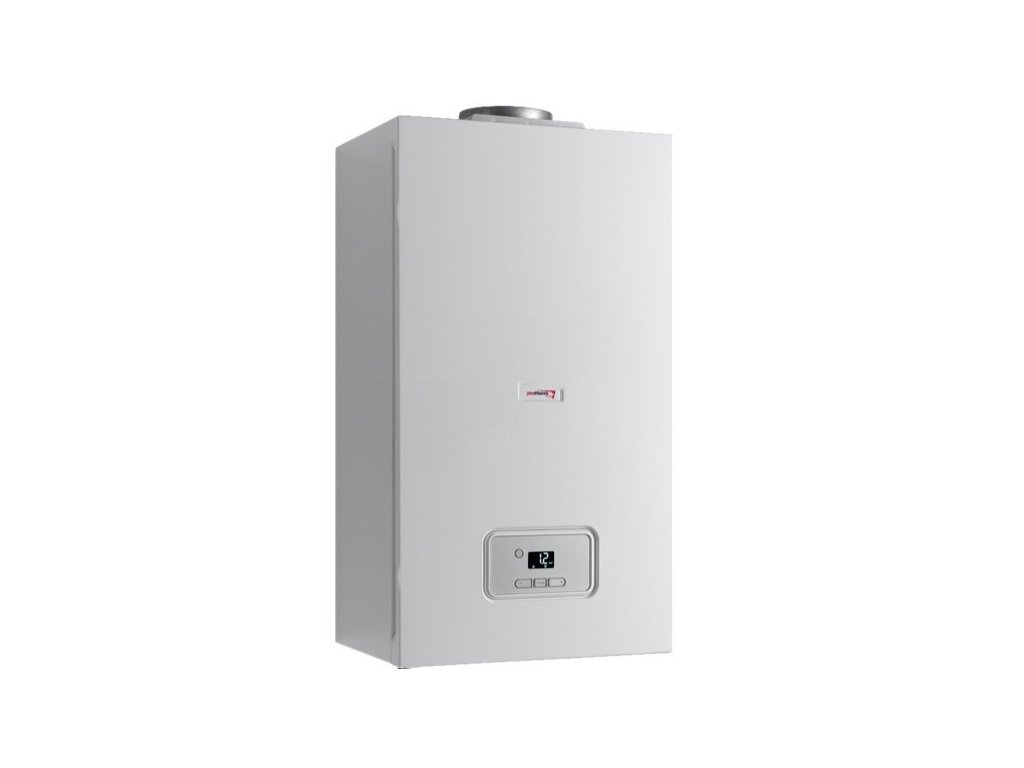
Protherm Gepard 18/24 MOV - a standalone atmospheric boiler without a cylinder, suitable mainly as a direct replacement for the same or a similar older Gepard model. Last pieces from restocked supplies. Price from €1,195.02. |
|
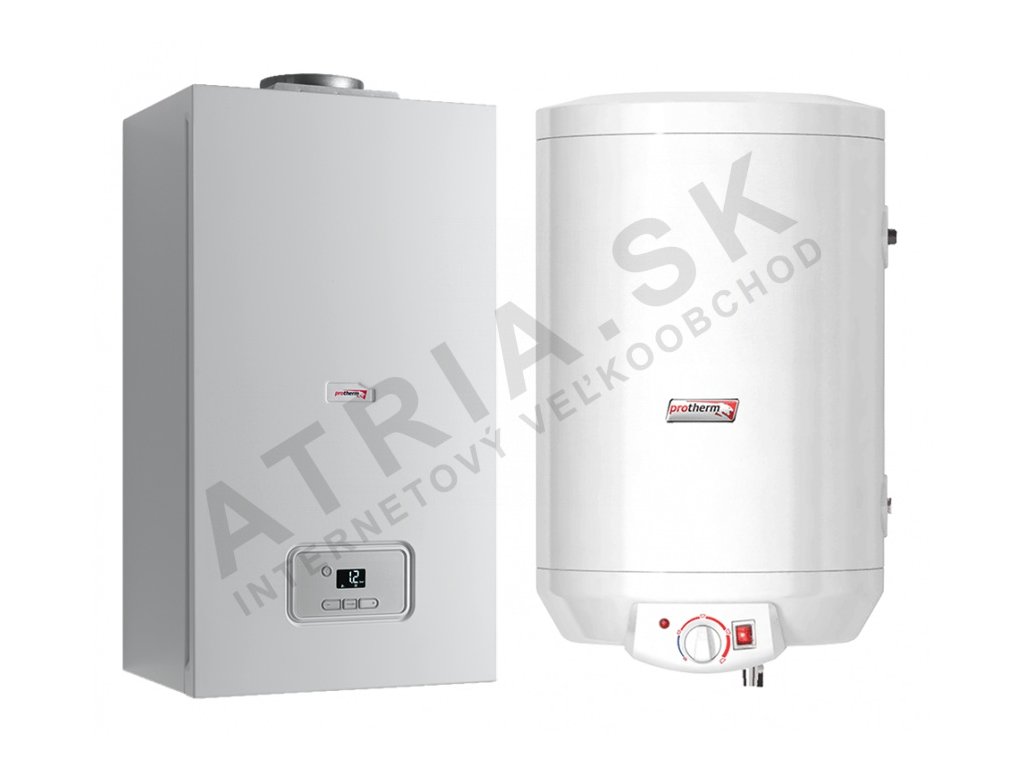
Protherm Gepard 18/24 MOV + WEL 75 ME - Left - the same boiler in a set with a 75-liter indirectly heated cylinder (left-hand version), suitable where you also need comfortable hot water preparation. Price from €1,415.00. |
Upgrading Classic Boilers with Modern Condensing Models
Outdated Systems Require Replacement
Traditional low-temperature boilers are increasingly being phased out, especially in residential applications like apartment heating and family homes. These systems are less efficient and often require more maintenance than their modern counterparts. Fortunately, there are now condensing boilers available in a wide range of outputs and price points that can serve as direct replacements for most classic systems. This includes both small and larger installations, offering a versatile solution that fits most needs.
Seamless Integration into Existing Systems
One of the biggest advantages of replacing a traditional boiler with a modern condensing model is the possibility to use the same installation space, chimney system, and heating pipework. In most cases, the only necessary adjustment is an updated flue gas vent. This makes the transition smoother and more cost-effective, as extensive rewiring or structural changes are often unnecessary.
Proven Models for Reliable Performance
Three models in particular stand out for their reliability and performance among our customers. These units are well-suited for replacing traditional boilers and offer excellent efficiency and durability. While these are just a few examples from our current range, you can explore the full selection in our Condensing Boilers category. There, you can filter by output, hot water preparation method, and budget to find the best fit for your system.
|
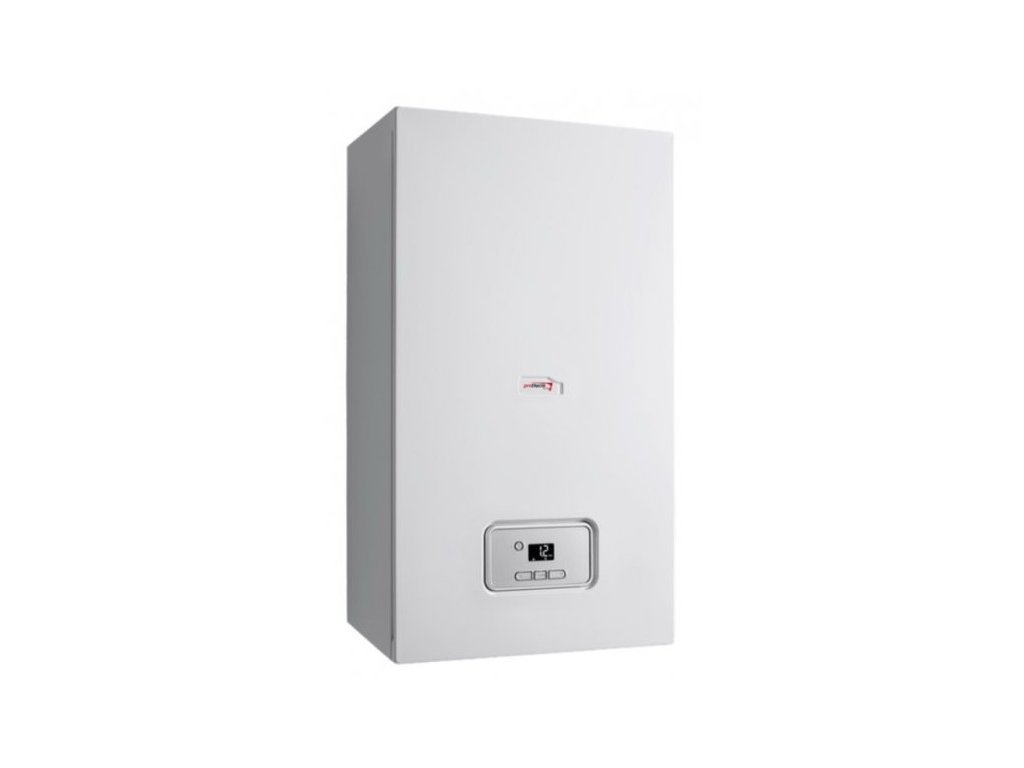
Protherm Gepard Condens 18/25 MKV - the condensing successor to the classic Gepard, a logical choice for anyone who had the original atmospheric Gepard at home and wants to stick with a proven brand but with significantly lower gas consumption. Price from €1,322.00. |
|
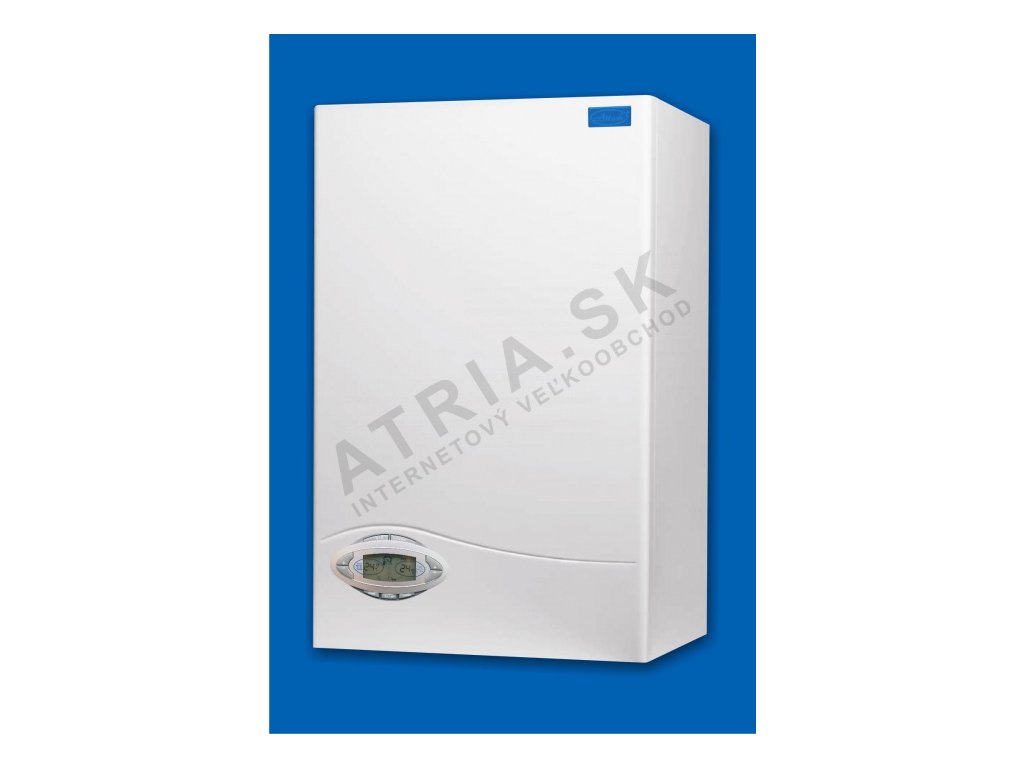
ATTACK CONDENSING 20 Premium - a condensing boiler from the Slovak brand Attack, suitable as a reliable replacement for a typical family heating system. Price from €1,731.00. |

|
BOSCH Condens GC2300iW 22/25 C - a condensing boiler from the renowned Bosch brand, offering a balanced ratio of output and price for both apartment and family-home use. Price from €1,472.06. |
Clarifying Key Issues About Low-Temperature Boilers and Replacements
EU Ecodesign Regulation and Low-Temperature Boilers
Low-temperature boilers are no longer available for sale in the EU because they fail to meet the minimum standards for energy efficiency and emissions outlined in the EU Ecodesign Regulation (ErP directive). This directive applies to all new heating appliance sales within the European Union.
Replacing Your Low-Temperature Boiler
If your current low-temperature boiler is functioning properly and regularly serviced, you are not required to replace it immediately. The EU regulation restricts new sales, not the continued use of existing units. There’s no legal obligation to upgrade as long as your system remains operational.
Using a Condensing Boiler with Classic Radiators
Using a Condensing Boiler with Classic Radiators
Even in homes with traditional radiators, a condensing boiler can be a worthwhile upgrade. While it achieves maximum efficiency at lower water temperatures—such as in underfloor heating systems—it still provides lower gas consumption compared to an atmospheric boiler when used with radiators.
Availability of Protherm Gepard Models
The Protherm Gepard 18/24 MOV and the Gepard 18/24 MOV + WEL 75 ME are still available for a limited time. These are the last remaining units from restocked supplies. This is a temporary offer and not a permanent stock.
Switching to a Condensing Boiler
In most cases, a condensing boiler can replace a classic boiler in the same location and using existing pipework. However, a new flue gas vent is usually necessary, as condensing boilers require a different type of chimney or flue. A step-by-step replacement guide is available in a related article for more detailed information.
Understanding Boiler Types and Their Benefits
Many homeowners are curious about the differences between various boiler types. For instance, if you're considering upgrading your current system, it might be helpful to compare a low-temperature boiler with a condensing boiler. This comparison can clarify which option suits your needs better.
Key Considerations for Switching to a Condensing Boiler
When evaluating the switch to a condensing boiler, you might wonder whether it's feasible to replace a low-temperature boiler with one of this type. This change is often possible, but it's essential to ensure your system is compatible. Additionally, understanding how much you could save by making the switch is a vital part of the decision-making process.
Answers to Common Questions
To help you make an informed choice, you may find it useful to review frequently asked questions about low-temperature gas boilers. These resources provide clarity on efficiency, installation, and maintenance, among other concerns.
See also: What Is the Difference Between a Low-Temperature and a Condensing Boiler · Can a Low-Temperature Boiler Be Replaced with a Condensing One · How Much I'll Save by Switching to a Condensing Boiler · Frequently Asked Questions About Low-Temperature Gas Boilers