
Frequently Asked Questions about Low-Temperature Gas Boilers
Choosing Between Low-Temperature and Condensing Gas Boilers
Low-temperature (classic, atmospheric) gas boilers were a staple in heating systems across Slovak households for many years. Since 2015, the European Union's Ecodesign Directive (ErP) has limited their availability in favor of more efficient condensing models. However, many of these older units are still in use, and their owners often face the same concerns: how long they will last, what to do if they break down, whether a replacement is still available, and if switching to a condensing model is worth the investment. In this article, we address the most common questions about low-temperature gas boilers, organized into six clear sections.
Key Criteria for Choosing a Boiler
- Current Efficiency: Low-temperature boilers are less efficient than condensing models and may lead to higher fuel consumption over time.
- Age and Condition: Boilers over 15 years old may require frequent maintenance or may not meet modern safety and efficiency standards.
- Availability of Parts: Replacement parts for low-temperature boilers may be harder to find as production shifts to condensing models.
- Long-Term Costs: While condensing boilers have a higher upfront cost, their improved efficiency often results in lower long-term energy bills.
- Environmental Impact: Condensing boilers produce fewer emissions, aligning better with current environmental standards and future regulations.
- Legislation Compliance: Since 2015, new boilers installed in the EU must meet ErP standards, which low-temperature models generally do not satisfy.
When to Consider a Replacement
- If your low-temperature boiler is more than 15 years old and showing signs of wear or inefficiency.
- If maintenance becomes frequent and costly, indicating a potential breakdown is imminent.
- If you are looking to reduce energy costs and improve the overall efficiency of your heating system.
- If you want to future-proof your installation and comply with current and upcoming regulations.
Practical Advice for Homeowners
Before deciding to replace your low-temperature boiler, evaluate its current condition and performance. If it is still functioning well and no major issues are present, it may continue to serve you for several more years. However, consider the long-term benefits of switching to a condensing model, especially if you are planning a major renovation or looking to improve your home’s energy efficiency. Always consult a qualified heating technician to assess your system and provide tailored recommendations based on your specific needs and circumstances.
Understanding Low-Temperature Boilers in Practical Terms
Low-temperature gas boilers are traditional heating systems that operate by burning natural gas to heat water for your home. They are less efficient than modern condensing boilers, with typical efficiency ranging from 70–90%, usually around 84%. Since 2015, they are no longer being produced or sold due to EU efficiency regulations, but existing units can still be used if they pass regular safety checks and maintenance.
Basic Characteristics of Low-Temperature Boilers
A low-temperature boiler transfers heat from gas combustion to heating water but does not recover the latent heat from flue gas water vapour. As a result, the flue gases remain hot—typically between 110–150°C—preventing condensation inside the chimney. This design is why these boilers are often referred to as atmospheric boilers, as they pull combustion air from the surrounding room rather than from outside like closed systems.
How They Compare to Condensing Boilers
The main difference lies in the use of latent heat. Condensing boilers cool the flue gases to as low as 20–50°C, causing the water vapour to condense and releasing additional heat that is reused in the heating system. This process allows condensing boilers to achieve up to 98% efficiency (or even 105–109% when calculated against the calorific value), while low-temperature boilers stop at 70–90%. You can read more about the distinctions in this detailed comparison article.
Regulations and Availability
The EU Ecodesign Directive (ErP) set minimum efficiency standards for new heating appliances in 2015, which most low-temperature boilers cannot meet. As a result, manufacturers have stopped producing and distributing them. However, you are not required to replace your current low-temperature boiler if it is functioning properly and meets safety requirements. If you're curious about the implications and alternatives, we explore these topics in this guide.
Are Low-Temperature Boilers Safe?
Low-temperature boilers are just as safe as condensing ones, as long as they are regularly maintained and inspected. The difference lies mainly in how they manage combustion and flue gas removal, not in inherent safety risks. Both types require proper installation and adherence to service schedules to ensure safe and efficient operation.
The typical thought process of an owner of an older boiler.
Buying and Using Low-Temperature Boilers Today
- Low-temperature boilers are still available but only in a limited range
- Legacy models like the Protherm Gepard are being sold off as stock lasts
- Condensing boilers are usually more efficient and cost-effective in the long run
- Spare parts are generally available for a long time after production ends
- Used boilers can be found but come with risks regarding condition and reliability
Are low-temperature boilers still available for purchase?
Low-temperature boilers are no longer widely available on the market. Due to the ErP directive, most models have been phased out. At atria.sk, only the last remaining Protherm Gepard models are still in stock. These are legacy units that are being sold while supplies last.
Why are Protherm Gepard boilers still listed for sale?
Although no longer in production, the Protherm Gepard is being offered as a clearance item. These units can still be legally installed in existing systems, especially as direct replacements for older boilers of the same type. Once the remaining stock is sold out, no further restocking of this model is planned.
Is it better to choose a low-temperature boiler over a condensing one?
In most situations, a condensing boiler is the better option. These units offer significantly higher efficiency and consume less gas over time, making them more economical in the long run. A low-temperature boiler may still be considered in specific cases, such as when the existing chimney or piping is not suitable for condensing technology, and system replacement would be too costly.
What about spare parts for discontinued models?
Even after a boiler is no longer manufactured, common spare parts—such as pumps, electrodes, seals, and heat exchangers—often remain available for several years. This is due to the long-term service support maintained by manufacturers. For accurate information on part availability, it's best to contact the brand's authorised service centre directly.
Can a used low-temperature boiler be a good option?
Technically, it is possible to purchase a used low-temperature boiler, but it's important to be cautious. The condition of the heat exchanger and the unit’s service history are usually unknown. If you need a quick and reliable replacement, a new clearance-sale boiler with a warranty is a safer and more predictable choice.
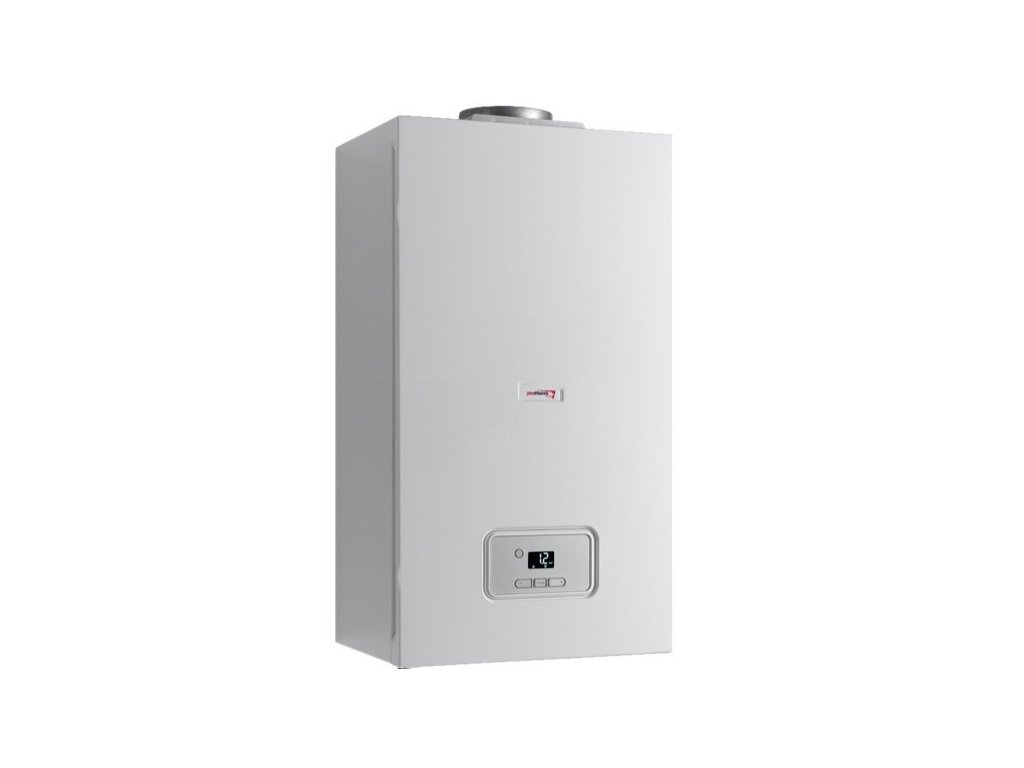
|
Protherm Gepard 18/24 MOV – a proven atmospheric low-temperature boiler, the last available units on clearance sale, suitable as a direct replacement for an older boiler of the same type. Price from €1,195.02. |
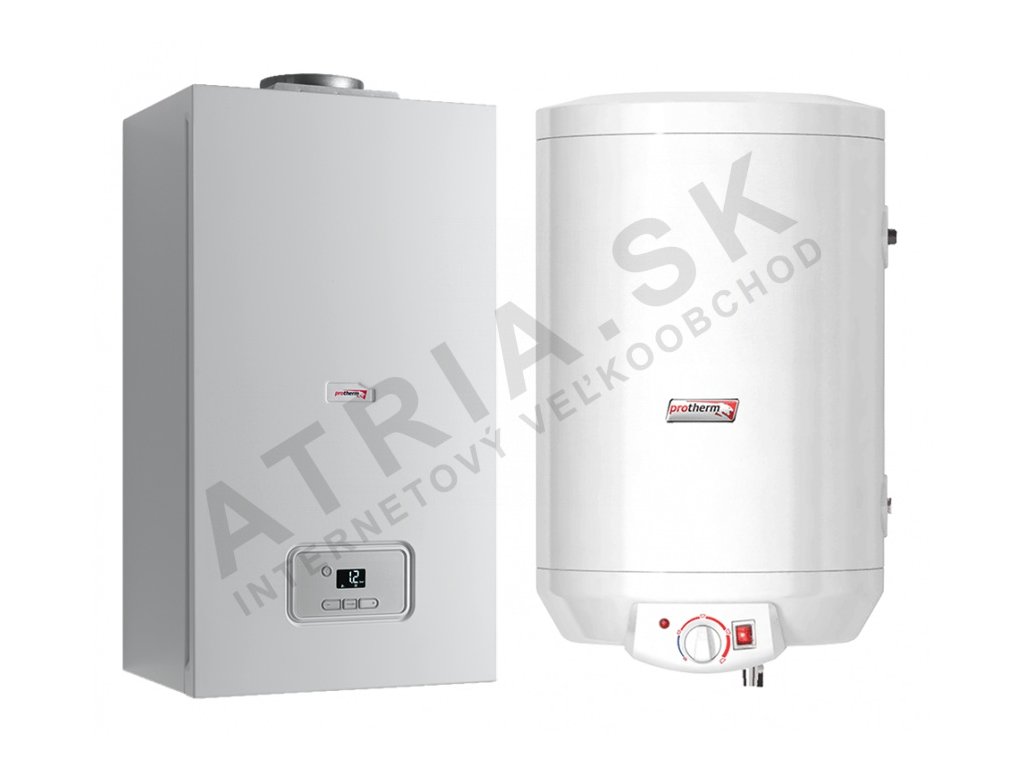
|
Protherm Gepard 18/24 MOV + WEL 75 ME - left – the same proven boiler supplemented with a 75-litre hot water tank in a left-hand version, a suitable solution for households with higher domestic hot water consumption. Price from €1,415.00. |
Chimney Requirements for Low-Temperature Boilers
Low-temperature boilers differ significantly from condensing boilers in terms of flue gas extraction, leading to frequent confusion during installation. A clear understanding of the specific requirements helps avoid costly mistakes and safety risks.
High Flue Gas Temperatures Require Special Handling
Unlike condensing boilers, low-temperature boilers produce flue gases at 110–150°C. This high temperature means a plastic flue—used for condensing boilers with flue gases at 20–50°C—is not suitable. Using the wrong type of flue could result in thermal damage to the system. A masonry chimney or a certified metal/ceramic system is always required for safe operation.
Traditional Atmospheric Boilers Depend on a Masonry Chimney
Atmospheric low-temperature boilers rely on natural draught to safely remove flue gases. The chimney must be properly sized and in good condition to ensure adequate draught. If the chimney is not functioning correctly, flue gases may flow back into the room, creating a serious health and safety hazard. More details can be found in the article What flue and chimney does a low-temperature boiler need.
Room-Sealed Turbo Boilers Offer an Alternative
If a masonry chimney is not available or in poor condition, a turbo version of the low-temperature boiler can be used. These room-sealed models draw combustion air from outside and exhaust flue gases through a concentric (twin-wall) system that goes directly through the building facade. This makes them ideal for installations in flats or older buildings without suitable chimneys.
Professional Installation is Mandatory
Both the installation and the gas connection must be performed by an authorised and qualified professional. Attempting a DIY installation is not only unsafe but may also void the boiler's warranty. It is essential to follow local regulations and manufacturer guidelines to ensure a safe and compliant installation.
Post-Installation Inspection is a Legal and Safety Requirement
After installation or any major service, a professional inspection of the boiler and chimney is required to confirm that the system is operating safely. These inspections are repeated at intervals specified by the manufacturer and local legislation to maintain compliance and safety standards.
Installation in Panel Building Flats Requires Careful Assessment
Low-temperature boilers can be installed in flats within panel buildings, but this is subject to certain conditions. A working chimney flue must be available, or a turbo installation with a facade-mounted exhaust must be feasible. A practical assessment of the chimney’s condition and approval from the building administrator are usually necessary before installation can proceed.
Optimizing Performance and Understanding Low-Temperature Boilers
What controls are standard in low-temperature boilers?
Most low-temperature boilers rely on a standard room thermostat to regulate burner operation. This device turns the burner on and off based on the temperature inside the room. It's a simple, reliable system that's common across nearly all models.
Can a low-temperature boiler automatically adjust for weather conditions?
Some models offer weather-compensated (equithermal) control, which adjusts the heating water temperature based on the outside climate. However, this feature isn't standard across the category. If your boiler lacks it, a quality programmable thermostat can help improve comfort and efficiency. For more on setting up these systems, see our article How to set up and control a low-temperature boiler.
Why might a low-temperature boiler make unusual noises?
Noises like puffing or burning are often caused by a dirty burner or heat exchanger, incorrect gas-to-air mixture, or a worn ignition electrode. These issues are signs that a professional service inspection is necessary to avoid further damage.
How does gas consumption compare for low-temperature boilers?
Gas consumption varies based on boiler output, building size, insulation, and set temperatures. Due to lower efficiency (70–90%) compared to modern condensing boilers (up to 98%), low-temperature boilers typically consume more gas at the same output level. A detailed comparison of potential savings when switching to a condensing boiler can be found in our article How much can I save by switching to a condensing boiler.
Is smart control possible with a low-temperature boiler?
Most older models aren't equipped with smart control as a standard feature, as they were designed for use with a basic room thermostat. However, in some cases, it's possible to connect an external smart thermostat compatible with a two-wire system. This compatibility needs to be confirmed individually for each model.
Ensuring Longevity Through Regular Maintenance
Imagine your heating system shutting down unexpectedly in the middle of winter – a situation that could have been avoided with a simple annual inspection. This is why regular servicing is essential for low-temperature boilers. It not only helps prevent breakdowns but also plays a major role in extending the boiler’s service life.
Annual Maintenance: A Proven Way to Prevent Failures
Before the heating season begins, a professional inspection of the boiler is highly recommended. This includes checking the burner, heat exchanger, seals, and combustion settings. Without regular servicing, the risk of unexpected breakdowns increases, and the boiler’s operational lifespan may be significantly reduced. In fact, gas boilers typically last between 15 and 20 years with proper maintenance.
Common Issues and Their Solutions
One frequent issue is the boiler shutting off the burner. This can often be traced to a dirty or worn ionisation electrode or issues with chimney draught. Another common problem is a boiler that fails to ignite. In such cases, always verify that the gas and power supply are active, but leave any further checks to a qualified technician. Repeated ignition failures require professional intervention and should not be addressed through DIY methods.
Other frequent issues include a clogged heat exchanger, leaks, or a faulty circulation pump. A complete overview of these problems and their solutions can be found in the article Most common faults in low-temperature boilers and how to solve them.
The Role of Water Filters in Boiler Longevity
Water filters are a simple but effective addition to any heating system. They capture mechanical impurities and deposits before they can reach the heat exchanger, thus reducing the risk of blockages and damage. This inexpensive measure can significantly prolong the life of the boiler’s internal components.
Availability of Spare Parts for Older Models
If you’re maintaining an older boiler, you may wonder if replacement parts are still available. In most cases, common consumables such as electrodes, seals, pumps, and valves can still be obtained, even for discontinued models. Manufacturers often continue to support older units for a long time. However, for very old or rare models, it’s best to contact an authorised service centre directly to confirm part availability.
For more information on the lifespan of older boilers and when to consider replacement, see the article How long does an old low-temperature boiler last and when should you replace it.

|
NANO HOT 3/4" - 1" 500 mcr – a brass water filter for heating systems, protects the boiler's heat exchanger from deposits and mechanical impurities, easy installation directly into the return pipe. Price from €65.50. |
Choosing the Right Time and Model for a Condensing Boiler
Replacing an old low-temperature boiler with a condensing boiler can lead to substantial savings and improved efficiency. The decision should be based on clear indicators and practical considerations.
- Age and condition: Consider replacement when the boiler reaches 15–20 years or when you notice frequent malfunctions, rising gas usage, or trouble finding parts. Waiting until it fails entirely can lead to higher costs and inconvenience.
- Potential savings: Switching to a condensing boiler can cut gas consumption by 15–30%. The actual savings depend on your current boiler's condition, system configuration, and how well your home is insulated.
- Flue requirements: Condensing boilers require a different flue system, typically a plastic one, due to the 20–50°C exhaust temperature. A masonry chimney from a low-temperature boiler won’t be suitable, so factor in this change when budgeting.
- Radiator compatibility: Your existing radiators may work with a new condensing boiler, but for maximum efficiency, it’s better to operate at lower water temperatures. A service technician can help tailor the system to your home’s needs.
- Recommended model: If you’re replacing a Protherm Gepard, the Protherm Gepard Condens 18/25 MKV is a direct upgrade with improved efficiency while retaining familiar controls.
- Subsidy options: Current subsidies focus more on renewable heating systems like heat pumps rather than gas condensing boilers. Always verify the latest terms with the relevant provider before proceeding.
Practical advice: Plan your boiler replacement well in advance of the heating season. Conduct a site assessment with a qualified technician to evaluate your system’s compatibility and identify the most suitable model for your home.
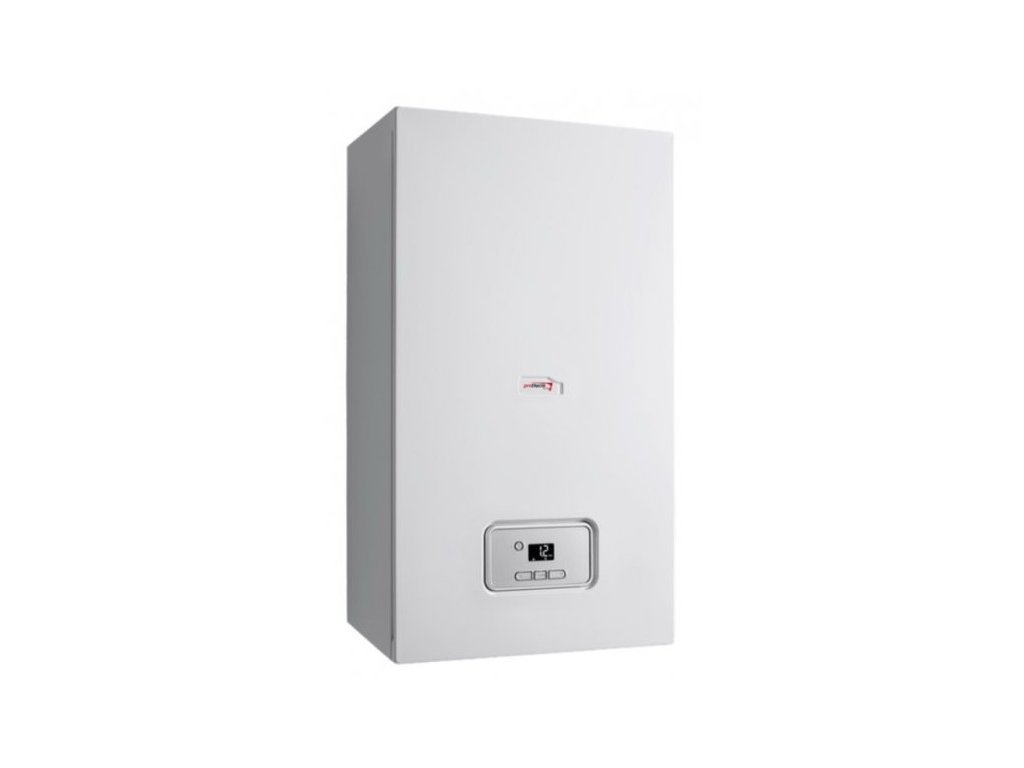
|
Protherm Gepard Condens 18/25 MKV – a modern condensing boiler, the recommended replacement for the low-temperature Protherm Gepard, with efficiency of up to 98% and significantly lower gas consumption compared to a classic atmospheric boiler. Price from €1,322.00. |
See also: How much can I save by switching to a condensing boiler
Explore More About Low-Temperature Boilers and Their Alternatives
If you're looking for in-depth information on low-temperature boilers, their service, or potential replacements, you’ll find a range of helpful resources below. These articles cover everything from maintenance tips to cost-saving benefits when upgrading your heating system.
What You Can Learn
- Is it possible to replace a low-temperature boiler with a condensing model?
- Why low-temperature boilers are no longer available and what you can install instead
- Potential savings from switching to a condensing boiler
- Expected lifespan of an old low-temperature boiler and when to consider replacement
- Differences between low-temperature and condensing boilers
- Common issues with low-temperature boilers and solutions
- Setting up and operating a low-temperature boiler
- Essential service, maintenance, and spare parts for low-temperature boilers
- Flue and chimney requirements for low-temperature boilers