
Service, Maintenance and Spare Parts for a Low-Temperature Boiler
Service, Maintenance and Spare Parts for a Low-Temperature Boiler
Older low-temperature (atmospheric) gas boilers, though no longer in production, can still function efficiently and safely for many more years with proper care. The key lies in understanding regular maintenance requirements, knowing which parts to replace or keep in reserve, and recognizing when continued repairs become impractical. This guide will help you evaluate the condition of your boiler, identify potential issues, and decide on the best course of action if you face problems like pressure drops or water contamination.
Annual Service Inspection: What to Expect
A yearly service for an atmospheric boiler is not just a manufacturer recommendation—it's a legal requirement and your best defense against unexpected breakdowns and safety risks. During this inspection, a qualified technician should thoroughly examine several critical areas:
- Burner inspection and cleaning: Over time, dust and combustion by-products build up on atmospheric burners, affecting efficiency and increasing gas use. A clean burner ensures optimal combustion and safe operation.
- Ignition and ionization electrode check: These components can degrade or become dirty, leading to ignition failures or flame instability. Replacing or cleaning them can resolve frequent issues in older models.
- Seal inspection: Seals made of rubber or fiber in the flue, heat exchanger, and hydraulic system lose elasticity with age. Replacing them on time prevents leaks of flue gas or water.
- Water pressure check: Most low-temperature boilers operate best at a pressure of 1–2 bar. Drops in pressure are a common concern for older systems and should be monitored closely.
- Filter or sludge trap cleaning: These components trap debris that could otherwise clog the heat exchanger or pump, ensuring the system runs smoothly.
- Chimney draft test: Atmospheric boilers rely on natural chimney draft rather than forced flue gas discharge. A blocked or faulty chimney can lead to dangerous gas leaks into the home. Checking the chimney’s condition is a crucial step in the inspection.
To ensure access to professional support and genuine parts, it's best to schedule service with an authorized technician. For example, Protherm models like the Gepard or Tiger benefit from a strong service network in Slovakia and across Europe due to the company's affiliation with the Vaillant Group.
Common Spare Parts and Upgrades
Many spare parts for older Protherm boilers are still available, allowing for timely repairs and continued use. Technicians commonly handle items like ignition electrodes, seals, expansion tank membranes, circulation pumps, and pressure or temperature sensors during inspections or repairs.
Alongside these, installing certain accessories can improve the system’s reliability and reduce the need for frequent service visits. Two common issues with older systems—poor water quality and pressure loss—can be effectively managed with upgrades like a heating water filter or a new expansion tank membrane.
Such additions are typically installed during a routine service visit and do not require a complete system replacement.
Deciding When to Repair or Replace
Despite the availability of parts and service, there comes a point when continued repairs are no longer cost-effective. A cracked or leaking heat exchanger is a prime example—repairing it often costs nearly as much as buying a new boiler. Other red flags include frequent breakdowns, a sudden increase in gas consumption, or the unavailability of parts for your specific model.
If your goal is energy efficiency and long-term savings, upgrading to a condensing boiler is a logical step. These systems recover heat from flue gases and offer significantly higher efficiency than traditional atmospheric boilers:
If you need a quick replacement due to a breakdown and your system isn’t set up for condensing technology—such as lacking a condensate drain or an incompatible chimney—you can opt for a direct replacement low-temperature boiler. This ensures compatibility with your existing piping and infrastructure:
Ultimately, the decision should be made in consultation with your service technician. They can evaluate the condition of your chimney, available space, and whether a condensing boiler is a feasible and beneficial option for your home.

|
NANO HOT 3/4" - 1" 500 mcr Water Filter - a brass filter at the water inlet to the heating system catches mechanical impurities and deposits that accumulate over time in older piping and clog the exchanger, pump and thermostatic heads. In older boilers it significantly reduces the risk of faults between service inspections and extends the life of the circulation pump. Price from €65.50. |

|
Pressure Expansion Tank IVAR.ER 12 (12 l) - if system pressure won't hold even after repeated topping up and the technician determines that the cause is a worn membrane in the original expansion tank, this 12-liter tank is a common solution for smaller and medium-sized heating systems with an older low-temperature boiler. It prevents frequent pressure drops and reduces wear on the boiler from topping up water. Price from €47.73. |
|
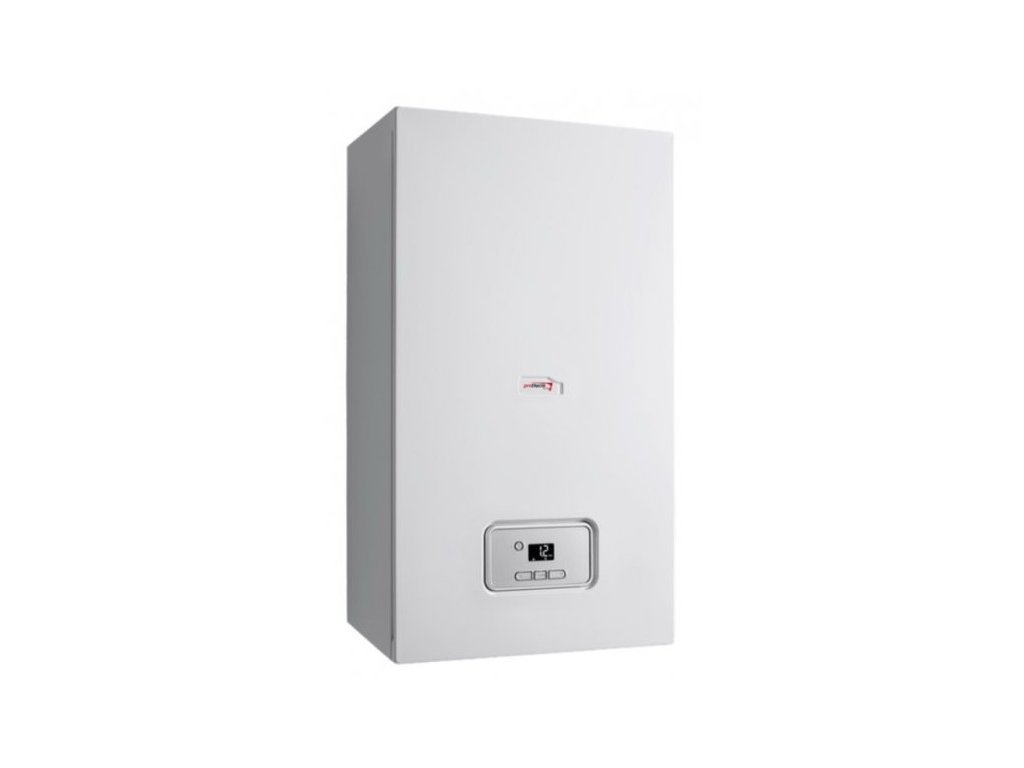
Protherm Gepard Condens 18/25 MKV - the condensing successor to the popular Gepard line, a suitable replacement for households wanting to move from an atmospheric boiler to more economical technology without changing brand, whose parts and service they already know well. Price from €1,322.00. |
|
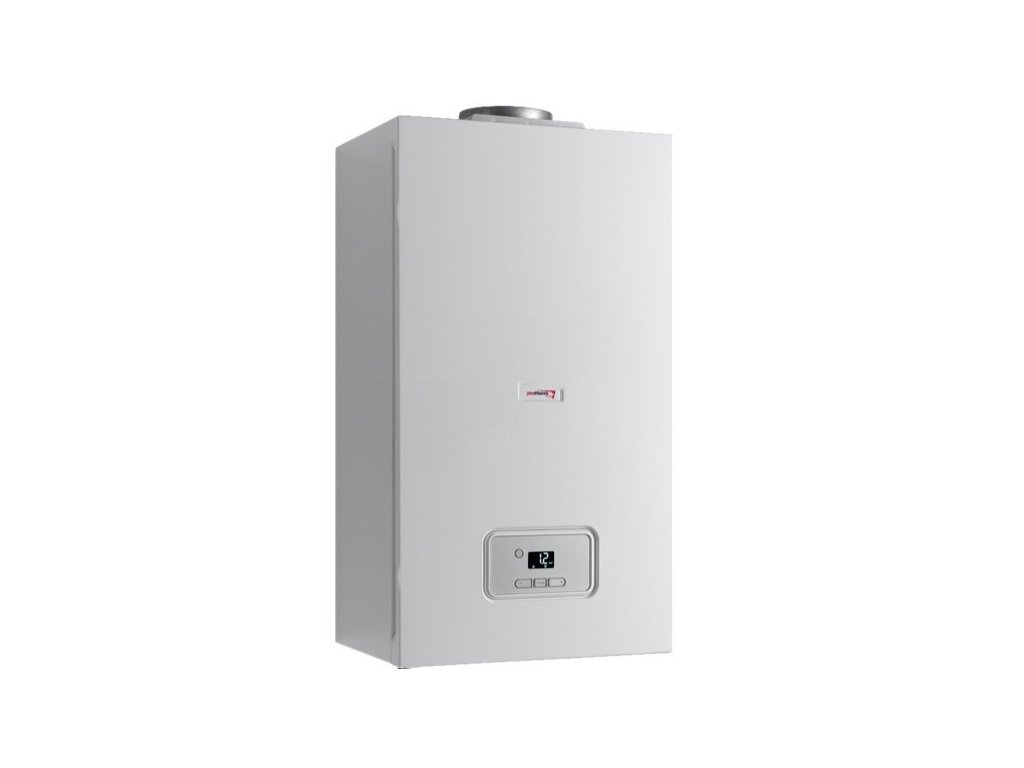
Protherm Gepard 18/24 MOV (Low NOx) - a classic atmospheric low-temperature boiler, suitable as an identical replacement where it's necessary to keep the original chimney connection and piping without structural modifications. Price from €1,195.02. |
Common Questions About Gas Boiler Maintenance and Repair
How frequently should a gas boiler undergo a service inspection?
A yearly service inspection is both legally required and strongly advised. Older atmospheric boilers benefit especially from regular servicing, as components like the burner, seals, and electrodes tend to degrade more quickly.
Are spare parts still available for older Protherm models such as the Gepard or Tiger?
Yes, spare parts for Protherm models are generally easy to obtain. As a Slovak-based brand (now part of the Vaillant Group), Protherm maintains a strong service network. Common parts like electrodes, seals, and pumps remain in stock for years after a model is discontinued.
What steps should I take if the boiler pressure drops?
First, check and top up the pressure to the manufacturer's recommended level (usually 1-2 bar). If the pressure continues to drop, the issue is likely a small leak in the system or a worn expansion tank membrane. Replacing the expansion tank—such as with an IVAR.ER 12—is often the solution.
Why does my boiler fail to ignite or go out frequently?
This is often due to a dirty or worn ignition or ionization electrode, or a burner that needs cleaning. These are routine maintenance tasks typically performed by a service technician during an inspection.
Under what circumstances is it no longer cost-effective to repair a boiler?
Repairs are no longer advisable if there is a cracked or leaking heat exchanger, frequent breakdowns, or if parts are difficult to source. In such cases, replacing the boiler—ideally with a condensing model if the system allows—becomes the best option.
Exploring Further: Practical Insights for Low-Temperature Boiler Users
When considering boiler replacement, a homeowner might ask: "Is it possible to switch from a low-temperature boiler to a condensing model?" This question is central to understanding modern heating system upgrades and energy efficiency improvements.
Such decisions often arise after years of operation, when an aging boiler begins showing signs of inefficiency. This leads to the broader topic of how long these systems can reasonably last and what criteria signal the need for a replacement.
Once the decision is made to retain or replace, understanding how to regulate and set up a low-temperature boiler becomes essential. This includes adjusting temperature settings and ensuring proper system control for optimal performance.
For those still using a functioning low-temperature boiler, it's also important to be aware of the most common faults and how to address them effectively, which can help extend the system's useful life.