
How long does an old low-temperature boiler last and when to replace it
When to consider replacing your aging low-temperature gas boiler
If your low-temperature gas boiler is more than 15 years old, it's wise to evaluate its condition and consider a replacement. Although it may still function, it likely shows signs of aging that could lead to inefficiency, higher gas bills, or unexpected breakdowns during the winter. Recognizing these indicators early can help you avoid inconvenient disruptions and costly repairs.
Expected service life and influencing factors
Under normal conditions and with regular maintenance, gas boilers—whether older low-temperature or more modern condensing models—typically last between 15 and 20 years. However, this range is not fixed and depends heavily on how well the boiler has been maintained over the years. With proper care, some units can exceed this timeframe, while neglect or harsh operating conditions can significantly reduce it.
Several key factors determine how long your boiler will remain functional. First, regular annual servicing is essential; it keeps the burner, heat exchanger, and other components in good working order. Second, poor water quality without filtration leads to sludge buildup, which damages the heat exchanger over time. Third, frequent pressure fluctuations strain seals and joints, and lastly, hard water causes limescale buildup that affects heat transfer and efficiency.
Even if an older boiler is still running smoothly, it’s likely less efficient than modern alternatives. Older models typically achieve between 70 and 90% efficiency, often around 84%, while condensing boilers can reach up to 98%. This difference in efficiency means you’re likely paying more in gas bills than necessary each heating season.
Another important consideration is the EU Ecodesign directive, which is phasing out older technologies in favor of condensing models. As a result, spare parts and specialized service for older boilers are becoming harder to find, making long-term maintenance increasingly difficult.
Warning signs that replacement is needed
There are several clear signs that your boiler may be reaching the end of its life. These indicators suggest that the unit is becoming unreliable or inefficient, and prompt replacement is advisable to avoid further complications:
- Repeated breakdowns and repairs. If your boiler requires frequent service calls or parts keep failing, it’s likely nearing the end of its usable life.
- Visible corrosion or leaks. Rust on the casing or internal components, or any water or flue gas leakage, signals serious structural issues that are hard to repair.
- Increasing gas bills without a change in usage. A sudden or gradual rise in energy costs without a reason indicates declining efficiency.
- Difficulty obtaining spare parts. If parts are no longer in production or take weeks to arrive, it’s a sign that your boiler is obsolete.
- Age over 15 to 20 years. Even if there are no visible faults, age increases the risk of failure during the coldest months.
- Constant error messages or resets. Frequent faults, flame failures, or the need for manual resets point to worn electronics or a failing burner.
What you can do before replacing your boiler
If your boiler is aging but not yet showing severe symptoms, there are steps you can take to extend its life. One of the most effective and cost-efficient measures is installing a filter or sludge trap in the heating system. These devices capture debris and sludge in the water, preventing them from damaging the heat exchanger and reducing the boiler's efficiency.
However, if your boiler is already showing multiple signs of aging or parts are no longer available, filtration alone won’t solve the problem. It may slow further deterioration, but it won’t prevent the need for replacement.
Choosing a modern replacement
If you decide to replace your boiler, switching to a modern condensing model is a smart choice. These units offer up to 98% efficiency, significantly outperforming older low-temperature or atmospheric models. The improved efficiency reduces gas consumption, often visible within the first season, and aligns with future energy regulations and trends.

|
NANO HOT 3/4" - 1" 500 mcr water filter for heating systems, brass – a simple and inexpensive investment that catches dirt and limescale before they reach the boiler's heat exchanger, extending its lifespan and maintaining higher efficiency. Price from €65.50. |
The two most common causes of shortened lifespan.
|
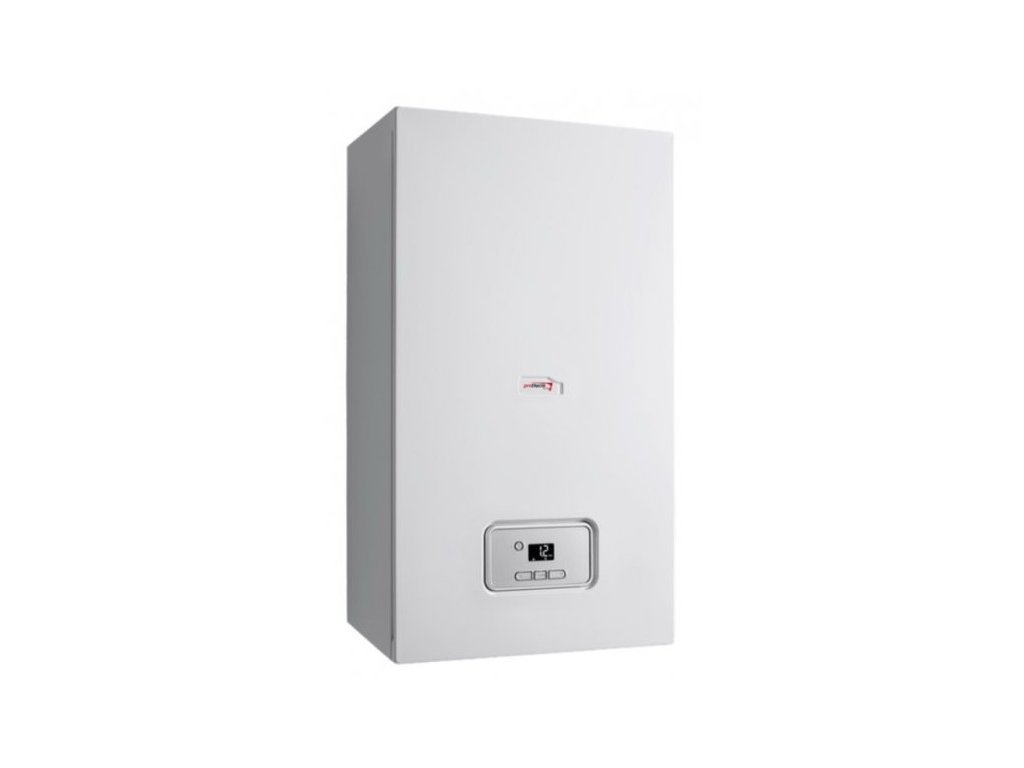
Protherm Gepard Condens 18/25 MKV – a condensing boiler with high efficiency, a compact design and proven reliability, suitable as a direct replacement for an aging low-temperature boiler in a typical household. Price from €1,322.00. |

|
BOSCH Condens GC2300iW 22/25 C – an alternative condensing boiler with a higher output range, particularly suitable for larger households or more demanding heating systems. Price from €1,472.06. |
Signs you shouldn't underestimate.
Recommended steps before a final decision.
Understanding Gas Boiler Lifespan and Replacement Decisions
- A gas boiler typically lasts 15 to 20 years with regular maintenance.
- Minor repairs on a 20-year-old boiler can be worthwhile, but frequent issues suggest replacement.
- Recurring faults often indicate the boiler is nearing the end of its useful life.
- Older boilers are less efficient than modern condensing models.
- Some actions can prolong a boiler’s lifespan, but not indefinitely.
- Replacing a boiler is best planned during the off-season.
How Long Can a Gas Boiler Be Expected to Last?
With proper and consistent servicing, most gas boilers operate effectively for 15 to 20 years. Some may last longer if maintained well, especially when the water quality in the system is good. However, the actual lifespan can vary based on how well the system is serviced and the condition of the water within it.Should You Repair a 20-Year-Old Boiler?
A repair may be a reasonable option if it’s a minor, low-cost issue and the boiler otherwise runs smoothly. But if the boiler shows signs of frequent breakdowns, parts are hard to source, or visible corrosion is present, the repair is likely only a short-term fix. In such cases, investing in a new boiler is usually the better choice in the long run.What Does Frequent Faulting Mean for a Boiler?
If your boiler repeatedly displays error messages or experiences flame failure, it’s a sign that the electronics, burner, or other key components are struggling to perform. These repeated issues are clear indicators that the boiler may be reaching the end of its life. At this stage, replacement is often more practical than continued repairs.Why Do Older Boilers Use More Gas?
Older models, particularly low-temperature or atmospheric boilers, typically operate with an efficiency of 70 to 90%, averaging around 84%. In contrast, modern condensing boilers can achieve up to 98% efficiency. This means that even a well-maintained older boiler converts less of the burned gas into usable heat than a new one. Over time, this inefficiency translates into higher fuel costs.Can an Aging Boiler's Lifespan Be Extended?
To some extent, yes. Regular servicing, the addition of a filter or sludge trap to remove debris from the heating water, and maintaining stable system pressure can help reduce wear and prolong operation. However, these measures won’t be effective if the boiler is already heavily worn or spare parts are no longer available. In those cases, replacement is the only viable option.When Is the Ideal Time to Replace a Boiler?
The best time to replace a boiler is during the off-season—either in summer or autumn. This gives you time to research, choose, and install a new system without the pressure of heating demands. If you notice symptoms of wear as outlined in this article, waiting too long can lead to unexpected breakdowns. It’s wise to act before the situation becomes urgent.Upgrading and Maintaining Your Low-Temperature Boiler System
Identifying Performance Issues in Low-Temperature Boilers
If your low-temperature boiler isn't functioning as efficiently as it should, it's likely suffering from one of the most common faults associated with this type of system. These can include unusual noises, inconsistent heating output, or a boiler that fails to ignite. Recognising these signs early can help prevent more serious complications and costly repairs down the line.
Common Causes Behind Low-Temperature Boiler Problems
Many of these issues stem from a lack of regular maintenance. Over time, components such as heat exchangers, valves, or burners can become clogged or worn. Additionally, incorrect system pressure or low water levels can disrupt the boiler’s operation. These problems can often be traced back to neglecting scheduled servicing or not replacing essential spare parts when needed.
Effective Solutions and Upgrades for Long-Term Efficiency
One of the best ways to restore and improve boiler efficiency is through proper maintenance and timely part replacements. If your boiler is outdated, you may also consider switching to a condensing model. This upgrade can significantly reduce energy consumption and lower your utility bills. For guidance on whether such a replacement is feasible and how much you could save, you can explore further details in our related articles.
For more information on boiler faults and solutions, as well as the benefits of upgrading to a condensing boiler, you can refer to the following articles: