
50 Most Frequently Asked Questions about Condensing Boilers
Choosing the Right Boiler for Your Home
Imagine you're renovating your family home and need a new boiler. You're unsure whether to go with a classic model or a condensing boiler. In such a case, understanding the differences between these types can help you make a smarter decision. A condensing boiler works by condensing the water vapor in flue gases, which allows it to reclaim extra heat that would otherwise be lost. This clever process means it can achieve an efficiency of 105 to 109% compared to the calorific value of the gas—far above the 85 to 90% efficiency of a traditional boiler. This efficiency difference is most noticeable when you use lower heating water temperatures, such as with underfloor heating systems or oversized radiators.
Fuel and Output Considerations
Most condensing boilers in Slovakia use natural gas (G20) or propane-butane. If your home doesn’t have a gas connection, you’ll need a cylinder-based system—just make sure the model you choose is compatible. For oil-fired options, they exist but are far less common. When it comes to output, a typical insulated home up to 150 m² usually needs a boiler between 12 and 24 kW. However, older, less insulated homes may require a higher output.
Boiler Types and Installation
When you're installing a boiler in an apartment or a utility room, the type of boiler matters. A turbo boiler, also known as a room-sealed unit, draws air and expels flue gases through an external pipe using a fan. This setup means it doesn’t require a traditional chimney or room ventilation. In contrast, an atmospheric boiler relies on natural chimney draft and room air for combustion, which can be less convenient and less safe. Today, turbo boilers are the standard for condensing systems due to their flexibility and safety advantages.
Domestic Hot Water Solutions
Consider your household’s hot water needs when choosing how your boiler prepares DHW. Instantaneous heating is more cost-effective and space-saving, but it may struggle with simultaneous use in multiple bathrooms. A built-in or external tank provides a ready supply of hot water, making it better for larger families. If you’re planning to expand your system—say, by adding solar heating—a standalone tank offers more flexibility for future upgrades.
Brands and Practical Advice
In Slovakia, trusted brands like Protherm, Vaillant, Viessmann, Buderus, Junkers/Bosch, and Attack offer reliable condensing boilers. While the quality is similar across these brands, differences in pricing, design, and local service availability can affect your decision. For example, if you live in an area with limited service centers, choosing a brand with a strong local presence might be more practical.
For smaller spaces like apartments, a compact boiler with a built-in tank or instantaneous DHW is often the best choice. In larger homes, you may prefer a model with a separate tank or even a cascade system for very large buildings. If noise is a concern—especially in apartments—look for a model with a noise rating between 35 and 45 dB. Always review the technical specifications for the model you’re considering, and don’t let price be the only deciding factor. A mid-range unit with features like output modulation can save you money over time by reducing gas consumption and minimizing maintenance issues.
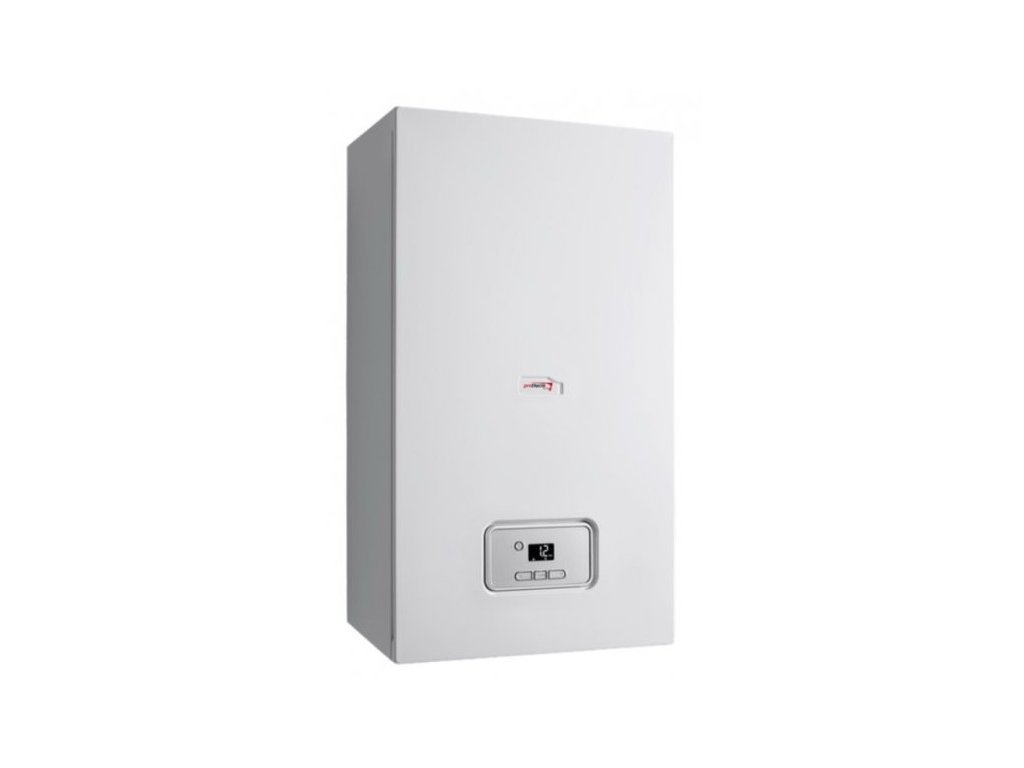
|
Protherm Gepard Condens 18/25 MKV – a typical mid-range condensing boiler, suitable for both a standard family house and a flat. Price from €1,322.00. |
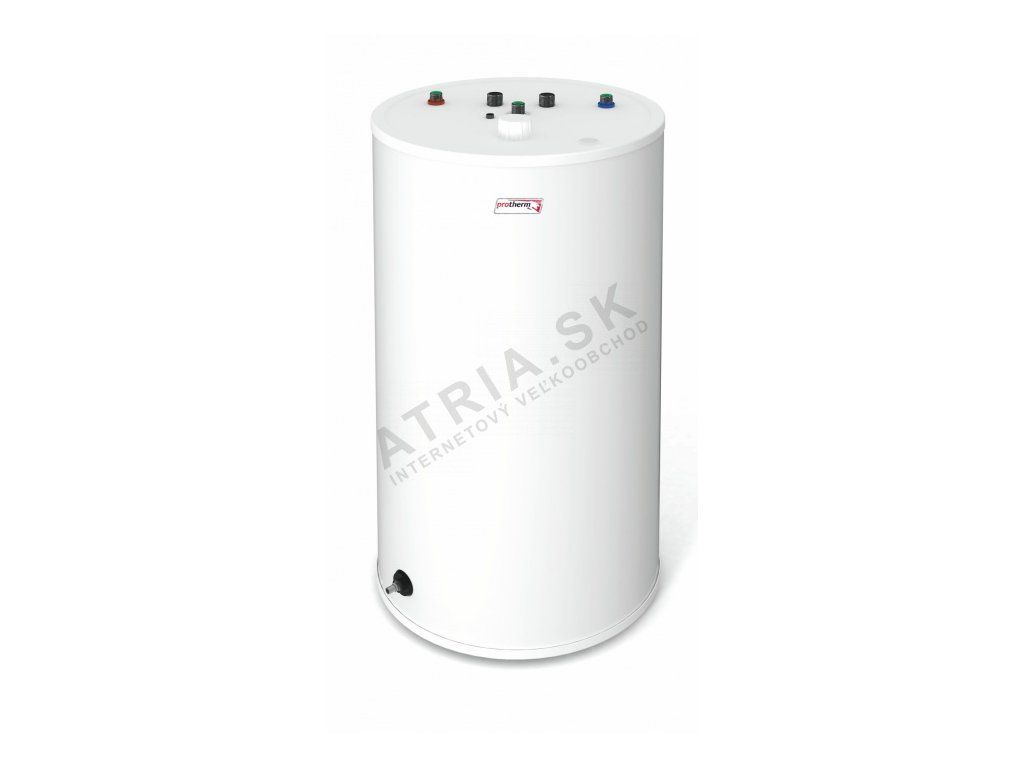
|
Protherm FE 200 BM – stationary tank – a standalone 200-litre hot water tank for connecting to a boiler, suitable for a larger household with higher DHW consumption. Price from €822.66. |
Key Considerations for Installing a Condensing Boiler
When installing a condensing boiler, several factors must be considered to ensure compliance, safety and long-term performance. Here are the main points to guide your installation process.
Essential Requirements and Legal Aspects
- Installation must be carried out by an authorised professional, as DIY installation is illegal and unsafe.
- After installation, a certified technician must inspect and commission the system. Without this, the manufacturer may void the warranty.
- Gas inspections are mandatory after installation or replacement. A qualified technician must perform them, and the report is needed for insurance and safety compliance.
Condensate and Drainage Considerations
- Condensate from flue gases is acidic and must be drained via a plastic pipe into a sewer or drain. Discharging it onto the ground is not allowed.
- Domestic boilers with lower output generally don't need a neutralisation box, but higher outputs, cascades or local sewer regulations may require one. Always confirm with your installer.
- Condensate volume depends on the boiler's output and usage, typically a few litres per day at high output.
System and Installation Features
- A filter or dirt separator is crucial to prevent impurities from clogging the boiler's heat exchanger. Install it on the return pipe before the boiler and clean it regularly.
- Operating pressure for a family house is typically 1–2 bar. If it drops below 0.8–1 bar, the boiler may display an error and need topping up.
- Modern condensing boilers usually use a turbo system with their own flue, so they don't require the original chimney for exhaust. A chimney may still be used as a routing shaft for the new plastic flue.
Time and Cost Factors
- Replacing a boiler in the same location with existing piping usually takes one working day. More complex installations can take several days.
- Installation includes a flue kit, mounting materials, filter, and possibly an expansion vessel. These are often billed separately, so ask for a turnkey quote.
- Existing pipes are often suitable unless they are very old, undersized, or you are upgrading to a different heating system. A site visit by the installer will clarify this.
Practical Advice
Always choose an installation company that provides a complete quote and confirms compliance with local regulations. Check pressure regularly and ensure all components are correctly sized and maintained for optimal efficiency and boiler lifespan.

|
NANO HOT 3/4" - 1" 500 mcr water filter for heating systems, brass – a brass filter/dirt separator that protects the boiler's heat exchanger from impurities in the heating circuit. Price from €65.50. |
Optimizing Performance and Settings for Your Condensing Boiler
Setting the right parameters and understanding how your condensing boiler functions can significantly enhance comfort, efficiency, and longevity. You can achieve optimal results by adjusting heating and domestic hot water temperatures, utilizing weather-compensated control, and maintaining the system properly. Below are the key considerations for fine-tuning your boiler's operation.
Choosing the Right Heating Water Temperature
For radiator systems, a heating water temperature of approximately 55–70°C is standard, while underfloor heating typically requires 30–40°C. The lower the temperature, the more efficiently the boiler condenses, which reduces gas consumption. Aim for the lowest temperature that still ensures comfort in your rooms.
Weather-Compensated (Equithermal) Control
Weather-compensated control automatically adjusts the heating water temperature based on outdoor conditions using a temperature sensor. This means the boiler heats the water more when it's colder outside and less when it's warmer, reducing manual adjustments and gas usage. In most cases, this feature is a worthwhile investment for improved comfort and efficiency.
Domestic Hot Water (DHW) Temperature and Legionella Prevention
The ideal DHW temperature for comfort and efficiency is between 45–55°C. However, to prevent legionella bacteria, which thrive between 20–45°C, it's recommended to heat the water to 60°C or higher periodically—weekly is common for tank-based systems. Many modern boilers have an automatic function for this task.
Underfloor Heating and Condensing Boilers
Condensing boilers work exceptionally well with underfloor heating due to the low water temperatures (30–40°C), which allow for maximum condensation efficiency. This combination results in the greatest gas savings compared to traditional boilers and radiators.
Radiator Systems and Condensing Boilers
A condensing boiler also performs well with radiators, though with slightly lower condensation efficiency due to the higher water temperatures required. Oversized radiators with larger surface areas can help reduce this gap and bring savings closer to those achieved with underfloor heating.
Operation During Power Outages
Condensing boilers require electricity to operate, including the control electronics, circulation pump, and fan. This means they stop working entirely during a power outage and will typically restart automatically once power is restored. Unlike older atmospheric boilers, they cannot operate without electricity.
Remote Control via WiFi or Mobile
Most modern boilers support WiFi connectivity via an optional module, allowing remote monitoring and control via the manufacturer's app. This lets you adjust temperatures and check error messages from your smartphone. Always verify the presence and compatibility of a WiFi module in the technical specifications for older or budget models.
Switching to Summer or Winter Mode
Switching to summer mode disables the heating function, leaving only domestic hot water active—ideal for reducing gas use and wear during warmer months. Most boilers have a button or menu option for this. Consult your user manual for specific instructions.
Addressing Unusual Noises
Gurgling or bubbling sounds are often caused by air in the system or low pressure. Bleed the radiators and top up the pressure to resolve this. Persistent noises after bleeding may indicate limescale buildup or a faulty circulation pump, requiring professional assistance.
Water Topping Up and System Pressure
In a properly sealed system, pressure should remain stable with only occasional minor drops. Frequent or large water top-ups can indicate a leak and may accelerate limescale buildup. If this happens regularly, inspect the system for faults and address them promptly.

|
Vaillant VRT 50 – a weather-compensating room thermostat that regulates the heating water temperature according to the outdoor temperature. Price from €71.64. |

|
Emos P5623 – WiFi thermostat – if the boiler doesn't have its own wifi module, or you don't want to buy one directly from the boiler manufacturer, a standalone WiFi room thermostat connected to the boiler's standard two-wire input can add remote control retroactively. Price from €122.75. |
Maintenance and Common Issues with Condensing Boilers
- Annual servicing is essential for cleaning and inspecting the boiler.
- Extended warranties require regular servicing and proper installation.
- Condensing boilers can last 15–20 years with proper care.
- Common faults include low pressure, clogs, and heat exchanger issues.
- A gas leak requires immediate action and professional help.
- Service contracts offer convenience and peace of mind.
- Error codes help identify and resolve boiler faults.
- The filter should be cleaned annually during servicing.
- The anode in the tank should be checked every 1–2 years.
- Boiler not heating or DHW not working? Check the basics first.
Why Annual Servicing Is Essential for Your Boiler
A condensing boiler needs an annual service to ensure optimal performance and longevity. During the inspection, the burner and heat exchanger are cleaned, while the seals, flue gases, and settings are checked. This routine maintenance is not just about efficiency; it's also a prerequisite for maintaining an extended warranty, which many manufacturers offer. Skipping regular servicing can void your warranty and lead to more expensive repairs or even early replacement.Understanding the Warranty for Your Condensing Boiler
The standard statutory warranty for a condensing boiler is 24 months. However, many manufacturers provide extended warranties, often spanning several years. These extended warranties typically require that the boiler is installed by an authorised company and serviced regularly. The specific terms vary by brand and model, so it’s important to register your boiler with the manufacturer as soon as possible after installation. This ensures you're covered and can make the most of your warranty.What Is the Lifespan of a Condensing Boiler?
With proper maintenance and good water quality, a condensing boiler can last between 15 and 20 years. Some high-quality models may even exceed this. However, neglecting servicing, using unfiltered water, or experiencing frequent pressure changes can shorten the lifespan. The heat exchanger is the most vulnerable component and is often the reason an older boiler becomes too expensive to repair. Replacing the boiler is usually more cost-effective at that stage.Most Common Faults and How to Identify Them
Common faults in condensing boilers include low system pressure, a clogged filter or dirt separator, ignition or flame issues, and a faulty circulation pump or heat exchanger. These problems are often indicated by specific error codes on the boiler's display. These codes make it easier for a service technician to diagnose and resolve the issue quickly. Understanding these codes can help you know when to call for professional assistance.Immediate Action Required for a Suspected Gas Leak
If you detect a gas leak—identified by its characteristic smell—immediately close the main gas shut-off valve and ventilate the area. Avoid using any electrical devices, switches, or lights to prevent sparks. Never attempt to fix the leak yourself. Contact the gas emergency service or the fire department (150) right away. Safety is the top priority, and only trained professionals should handle gas-related emergencies.Benefits of a Service Contract for Your Boiler
A service contract offers a range of benefits, including guaranteed annual servicing, faster response times in case of a breakdown, and sometimes reduced spare part costs. This is especially helpful for homeowners who aren't technically inclined. However, if you prefer to manage servicing independently, a contract is not necessary. The key is to never skip the annual inspection, regardless of whether it’s covered by a contract.What Do Error Codes on the Display Mean?
Each boiler manufacturer uses its own system of error codes—often a combination of letters and numbers—to indicate specific faults. These codes are detailed in the boiler’s manual or on the manufacturer’s website. Some common codes relate to low pressure and can be addressed by the user, while others signal more complex issues. These codes assist service technicians in diagnosing problems efficiently, saving time and reducing costs.How to Maintain the Filter in Your Boiler System
The filter or dirt separator in the heating circuit should be inspected and cleaned once a year during regular servicing. In the first year after installation, it may need cleaning more frequently to remove residual impurities from the system. The filter itself is not replaced; the mesh is simply removed and rinsed. Regular cleaning prevents blockages and ensures smooth operation of the heating system.When to Replace the Anode in the Hot Water Tank
The magnesium anode in the hot water tank is crucial for protecting the tank from corrosion. It should be checked and replaced every 1–2 years, depending on the hardness of the water in your area. The tank itself is only replaced if it develops a leak or perforation—usually due to a neglected anode or very hard water. Regular anode checks help extend the life of your hot water system.Basic Troubleshooting for a Boiler That Isn't Heating
If your boiler isn't heating or the domestic hot water (DHW) isn’t working, start by checking the system pressure, looking for error messages on the display, and ensuring the gas supply is turned on. Many simple issues, like low pressure or an incorrect summer mode setting, can be resolved using the user manual. If the problem persists or you smell gas, do not attempt to fix it yourself. Contact an authorised service technician immediately for assistance.Cost Considerations When Upgrading to a Condensing Boiler
Higher Efficiency Doesn’t Always Mean Higher Price
When evaluating whether to upgrade, it's important to consider the cost range for condensing boilers. On the Slovak market, prices start at around €700 – 800 for compact, low-output models and can reach up to €2,000 or more for powerful units with integrated tanks. For instance, the Protherm Gepard Condens 18/25 MKV, a typical choice for a family home, is priced at €1,322.00, showing that mid-range models can be quite representative in cost for most households.
Older Boilers Can Cost You More in the Long Run
Replacing an older, non-condensing boiler with a modern condensing unit can lead to significant savings. Gas consumption can drop by 15 – 30%, or even more in cases of very old or poorly sized equipment. The exact savings depend on the initial condition of the boiler, the heating water temperature, and the control method. A condensing boiler’s ability to recover heat from exhaust gases makes it more efficient and cost-effective over time.
Understanding Annual Gas Use in a Typical Home
The gas consumption of a condensing boiler is influenced by several factors, including the house's insulation, the temperature of the heating water, and the control system used. For a typical insulated family home, annual gas usage for heating and domestic hot water ranges from 1,000 to 1,800 m³. Using features like output modulation and weather-compensated control can reduce consumption further by preventing unnecessary full-power operation.
Financial Incentives May Help Offset Costs
Various subsidy programmes for replacing heating systems are occasionally available in Slovakia, but the eligibility criteria and availability can change. It is important to check with the relevant state agency or your local municipality for the most current information. Subsidies may also require that other measures, like insulation, be carried out alongside the boiler replacement. Additionally, installation must be performed and documented by an authorised company, so it’s best not to make a purchase without first confirming the conditions if you’re relying on financial support.
Replacement Is Often Worth the Investment
In most situations, replacing an old gas boiler with a condensing model is a smart move. You gain not only in terms of gas savings but also in comfort and safety. Newer models offer more precise control, operate more quietly, and are generally less prone to breakdowns. The typical payback period for such an investment is a few years, depending on the original boiler’s condition, gas prices, and how intensively the house is heated.
Installation and Additional Costs Add Up
The cost of the boiler itself is just the beginning. You should also factor in installation, materials for the flue and connection, potential piping adjustments, a gas inspection, and possibly a condensate neutralisation box or replacement of the expansion vessel. These additional expenses can raise the total cost of a complete boiler replacement by tens of percent above the base price of the equipment.
Payback Period Varies Based on Efficiency and Usage
When replacing a significantly outdated, inefficient boiler with a condensing one, the return on investment typically occurs within a few years due to reduced gas consumption. The exact time depends on the difference in efficiency between the old and new units, current gas prices, and how much heating is required in your home. When combined with a low-temperature system and weather-compensated control, the payback period can be even shorter.
Service Costs Are Generally Comparable
Annual servicing of a condensing boiler is similar in cost to a traditional boiler, with variations more dependent on the region and the service provider than the boiler type itself. However, condensing boilers have components such as condensate neutralisation systems and more sensitive heat exchangers, which may slightly raise the cost of spare parts. Regular maintenance helps prevent such issues and keeps service costs predictable.
Choosing the Right Output Size Matters
A boiler that is too large for the house's heating needs can lead to inefficiencies and higher costs. When oversized, it may frequently cycle on and off, which can increase consumption and reduce lifespan. That’s why selecting the correct output during installation is crucial—not only for comfort but also for long-term operating costs and system efficiency.
Mid-Range Models Often Offer the Best Value
While cheaper models come with a lower initial cost, they may use lower-grade components that can lead to a higher frequency of faults or a shorter lifespan. A mid-range or higher-end model from a reputable brand often provides better long-term value due to improved efficiency, reliability, and durability. Although the upfront price is higher, these models tend to pay off through reduced maintenance and operating costs over their lifespan.
The five areas into which these 50 questions are divided.
The typical order in which customers encounter these topics in practice.
Links to more detailed topics in the Knowledge Centre.
Frequently Asked Questions About Condensing Boilers
How can I determine the right output for my condensing boiler?
To ensure optimal performance, you should calculate the required output based on your home’s heating and hot water needs. This involves considering factors like the size of your property and insulation quality. A detailed guide is available to help you with this calculation.
What are the most common mistakes when choosing and installing a condensing boiler?
Common errors include incorrect sizing, poor placement, and not following manufacturer guidelines for installation. These mistakes can reduce efficiency and lead to higher running costs. Proper planning and professional installation are essential for long-term benefits.
How do condensing boilers compare in terms of brands?
Different brands offer varying features, efficiencies, and warranties. A comprehensive comparison can help you make an informed decision when selecting a boiler that best fits your needs and budget.
See also: How to choose a condensing boiler · What output condensing boiler do I need · Common mistakes in choosing and installation · Underfloor heating and condensing boiler · Radiators and condensing boiler · Gas consumption and heating savings · Thermostat and weather-compensated boiler control · How long does a condensing boiler last – servicing and maintenance · Comparison of condensing boiler brands · How much a condensing boiler saves compared to an old one · Most common faults and how to solve them · What temperature to set on the boiler · Is it worth replacing an old boiler